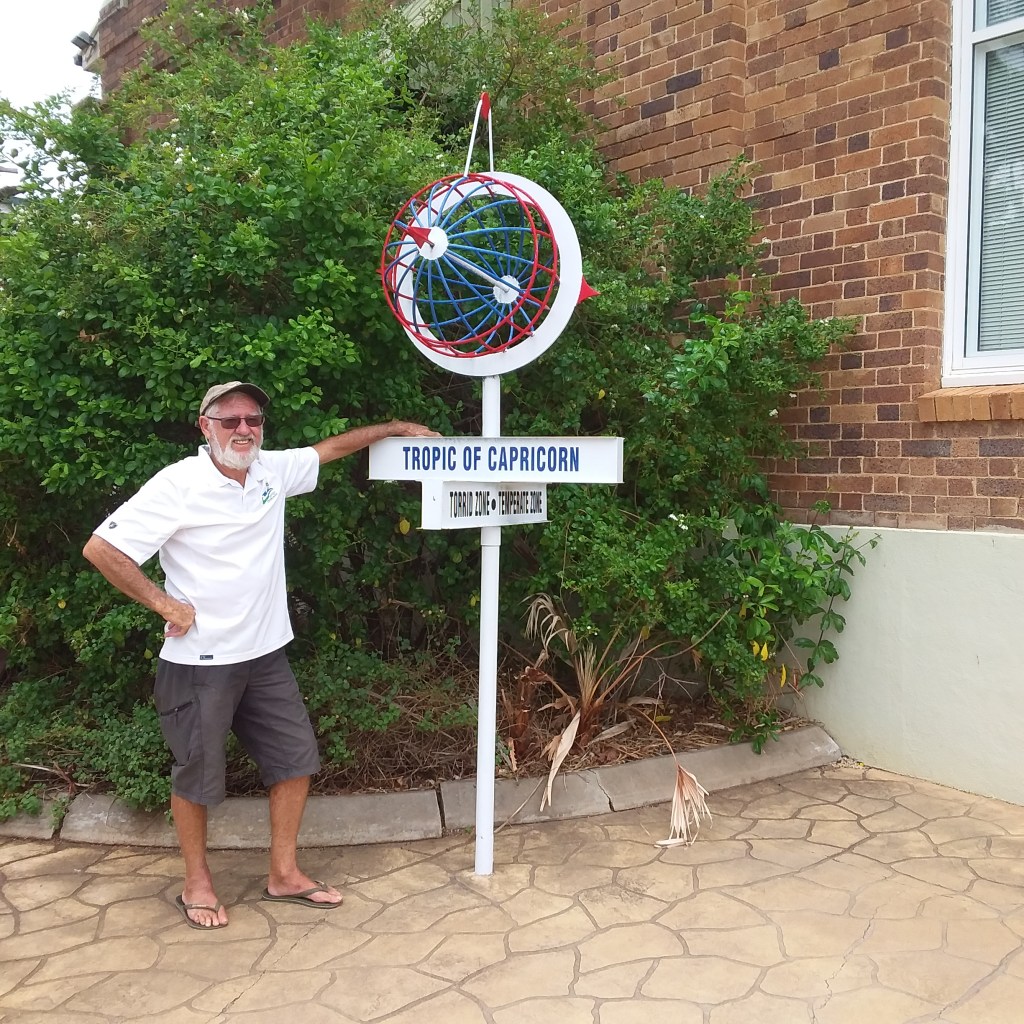
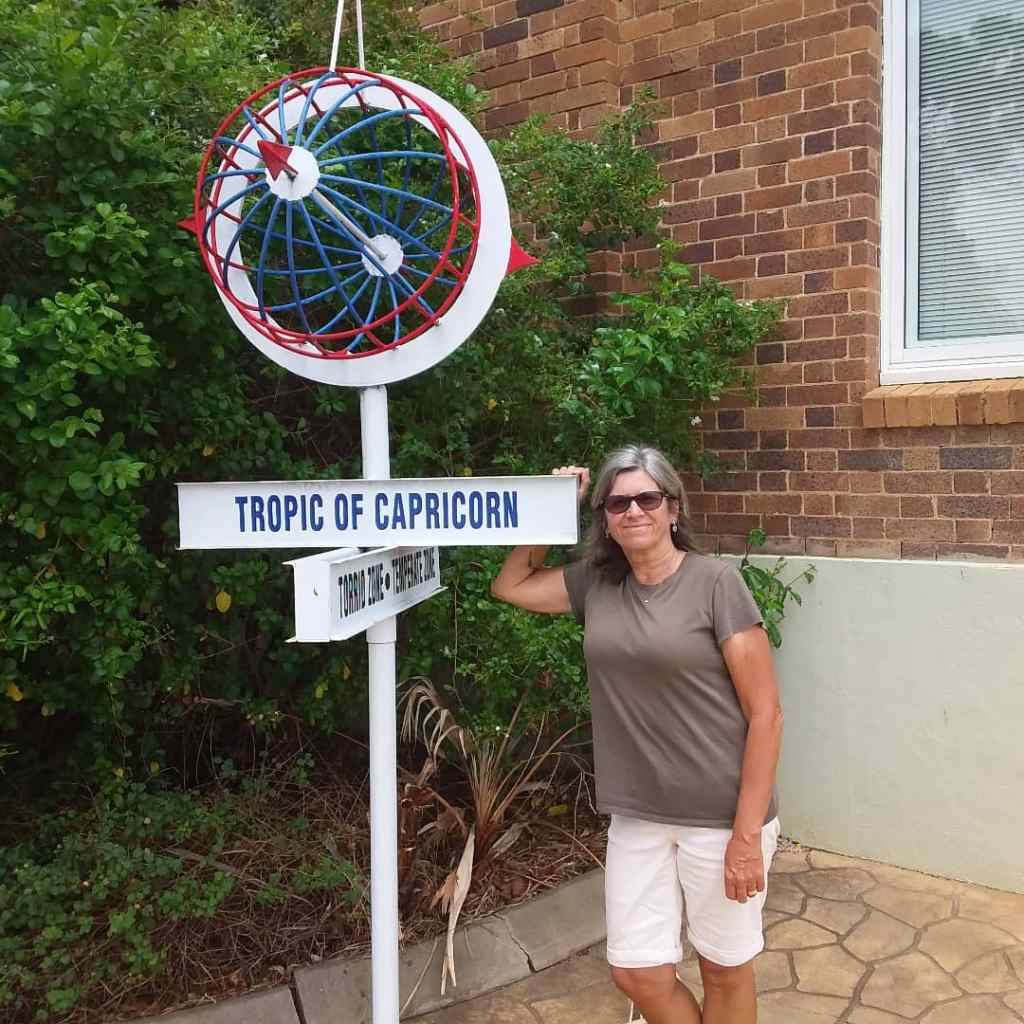
Longreach continues the theme of the Outback Pioneers. It is another town clearly proud of its history. We drove in, once again, to a lovely, clean town which was very welcoming. Much thought has gone into the planning here. The roads are wide, as are the footpaths. We saw two men on gophers, chatting to each other on the footpaths and there was plenty room to pass and window shop. There were women sitting chatting on benches and others having take away coffee sitting under the shade on the island in the middle of the road. Longreach is a very friendly town and a lady I spoke to in the craft shop told me she would never live anywhere else.
There were many things I noticed that made me think that this town cares about its visitors and locals. One was the CWA Rest Rooms! I was looking for a public toilet and came across this small building with not just a toilet but a shower and a little sitting area with some books and magazines. Very thoughtful. Another was the Apex Park where we camped for $5 per night. It was close to town and pleasant. We had the company of hens, brolga and wallabies.
The shops in Longreach are lovely, and there’s a great bakery and nice cafes. We did try to give back to the town by buying coffees, lunch and little souvenirs. All the streets are named after birds which made it quite fun and easy to get around.

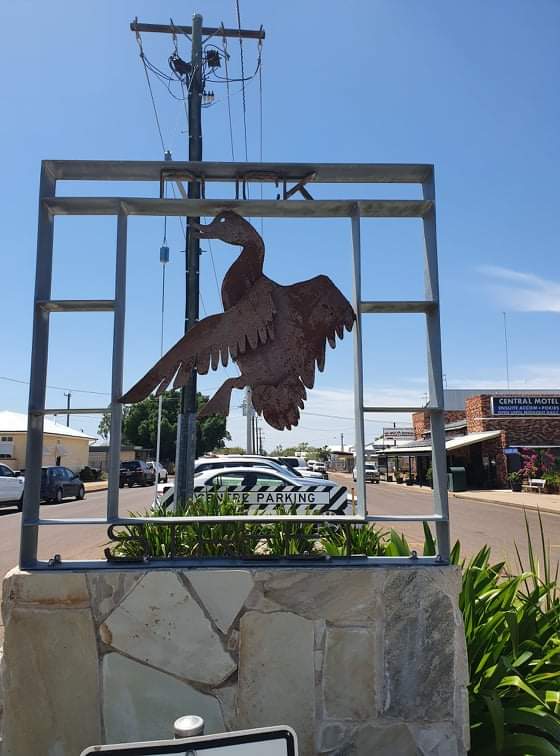
I loved that many of the shops and businesses still cater for stockmen and continue the historical theme of the outback pioneers.


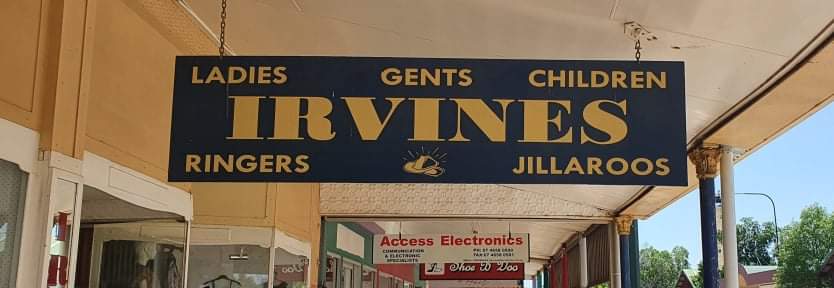
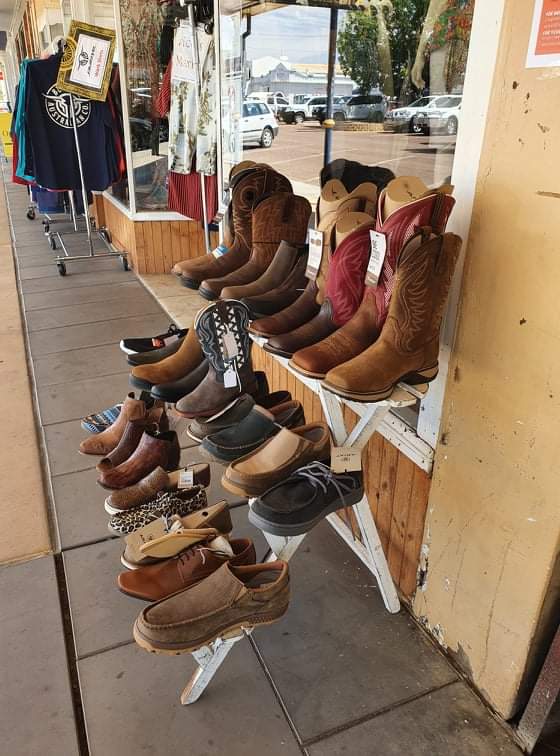
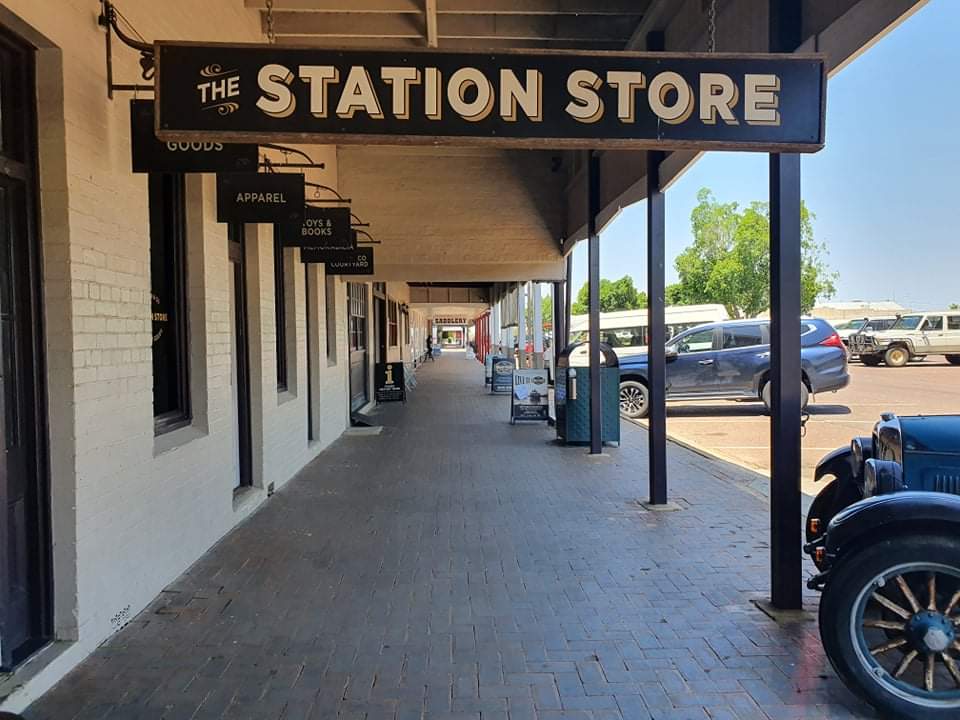
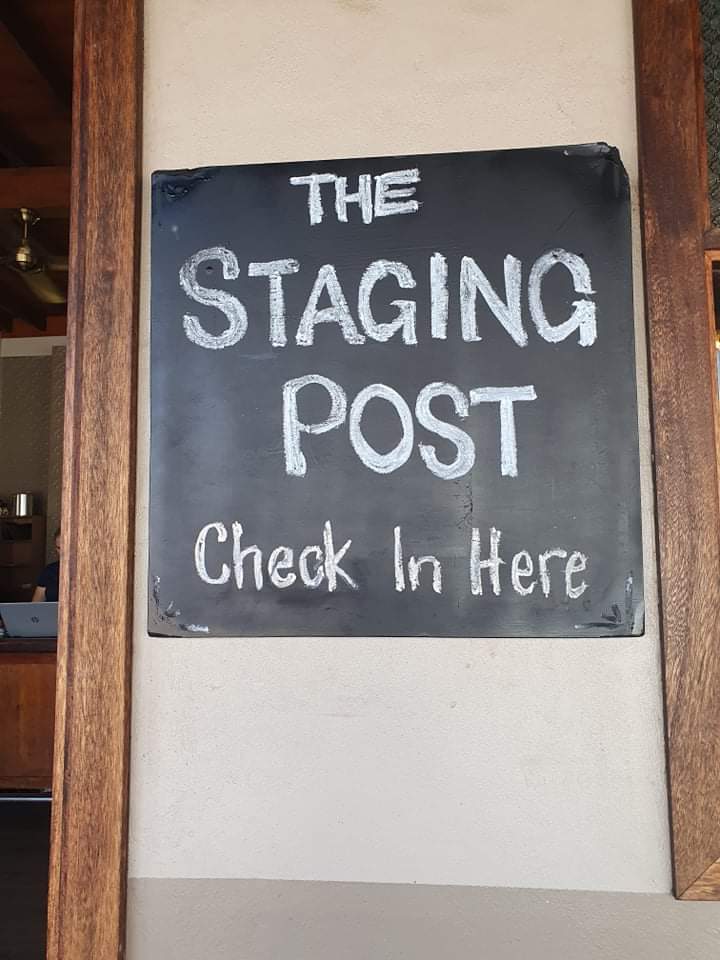
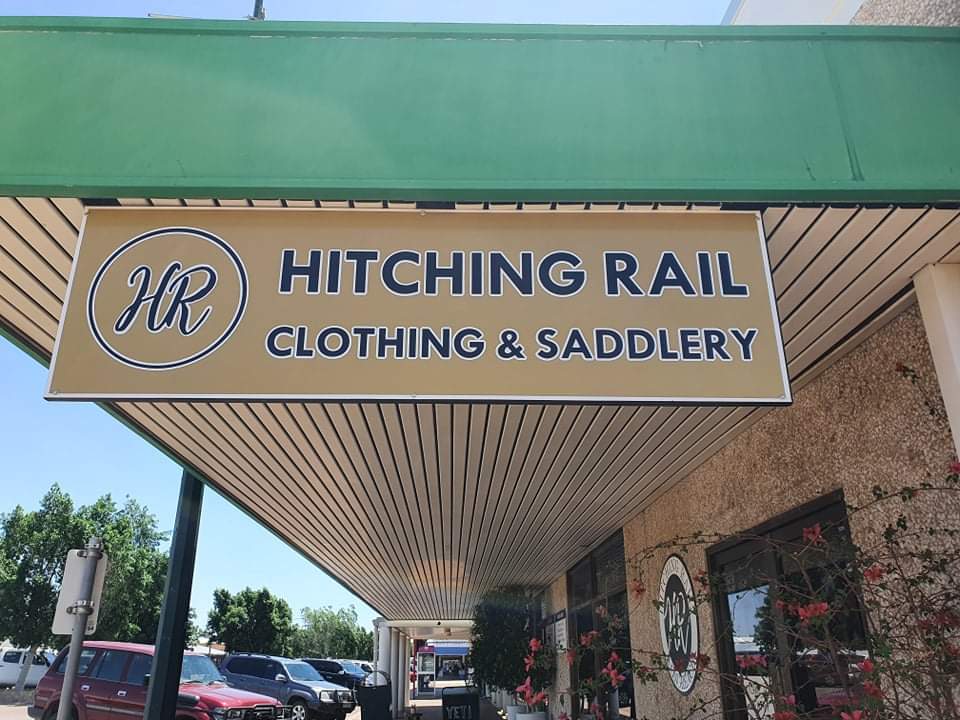
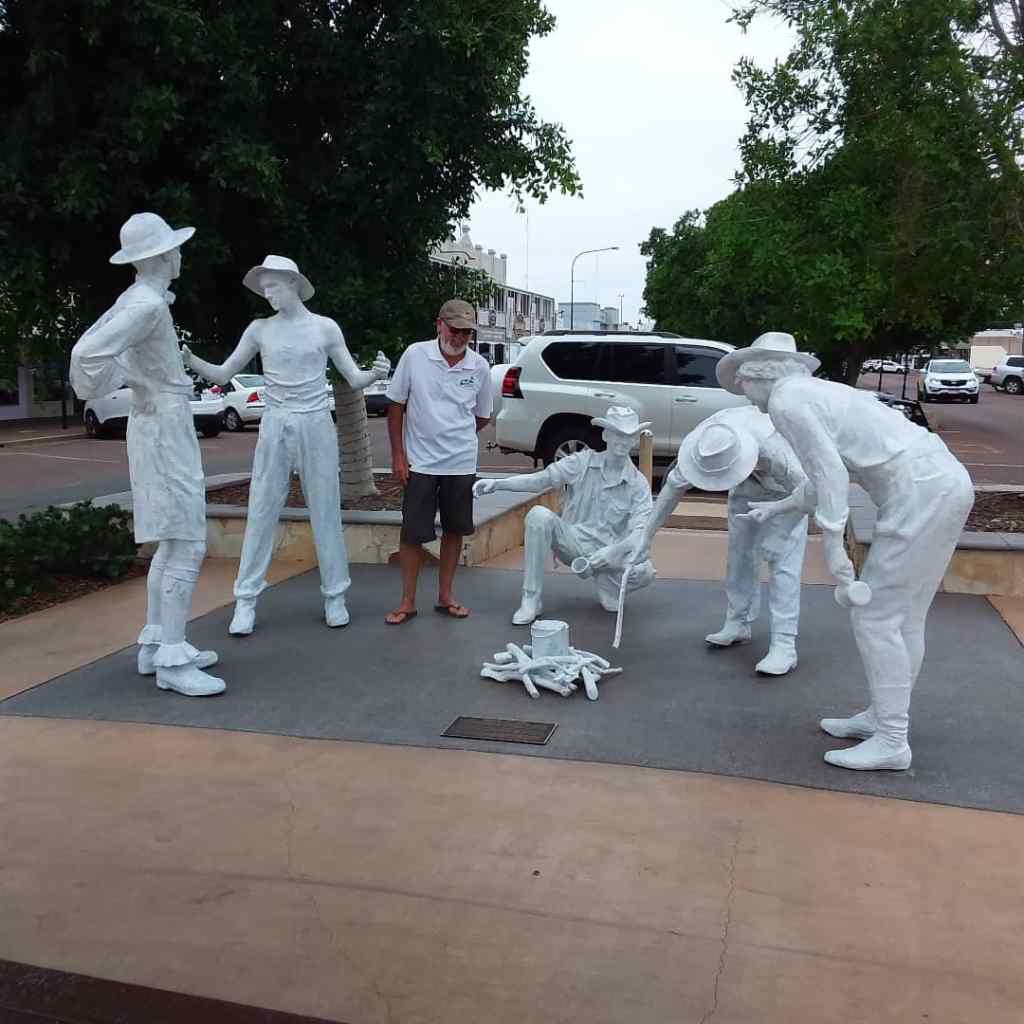
The Outback Pioneering theme is a constant throughout the town.
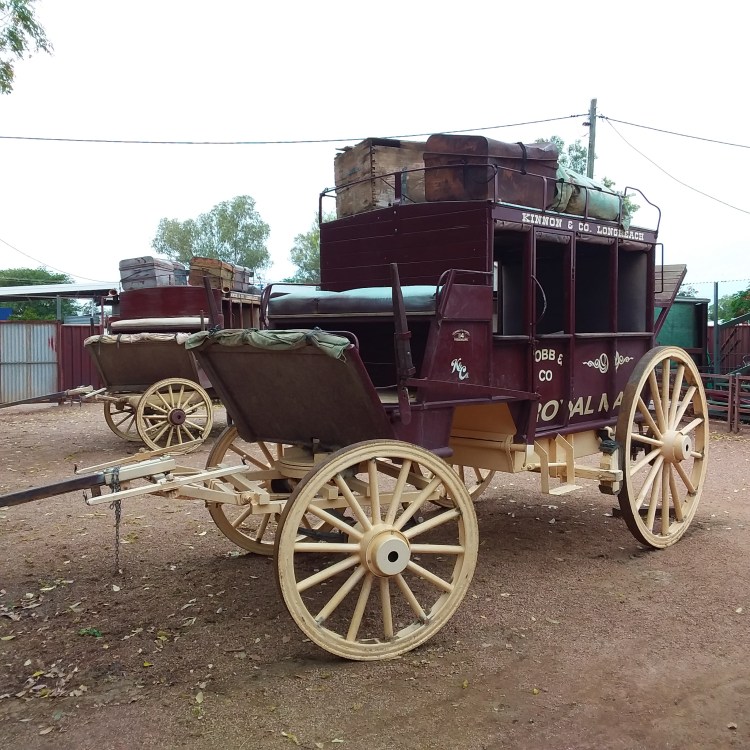
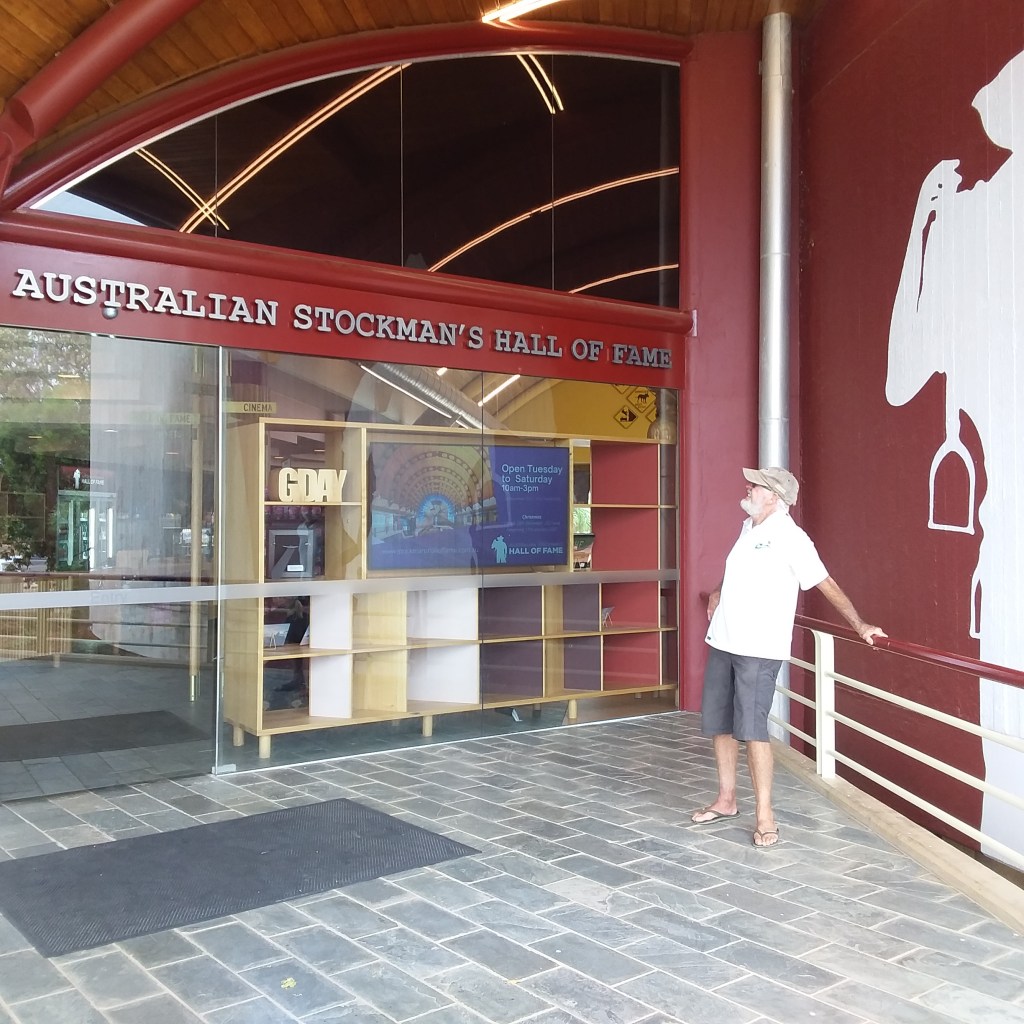
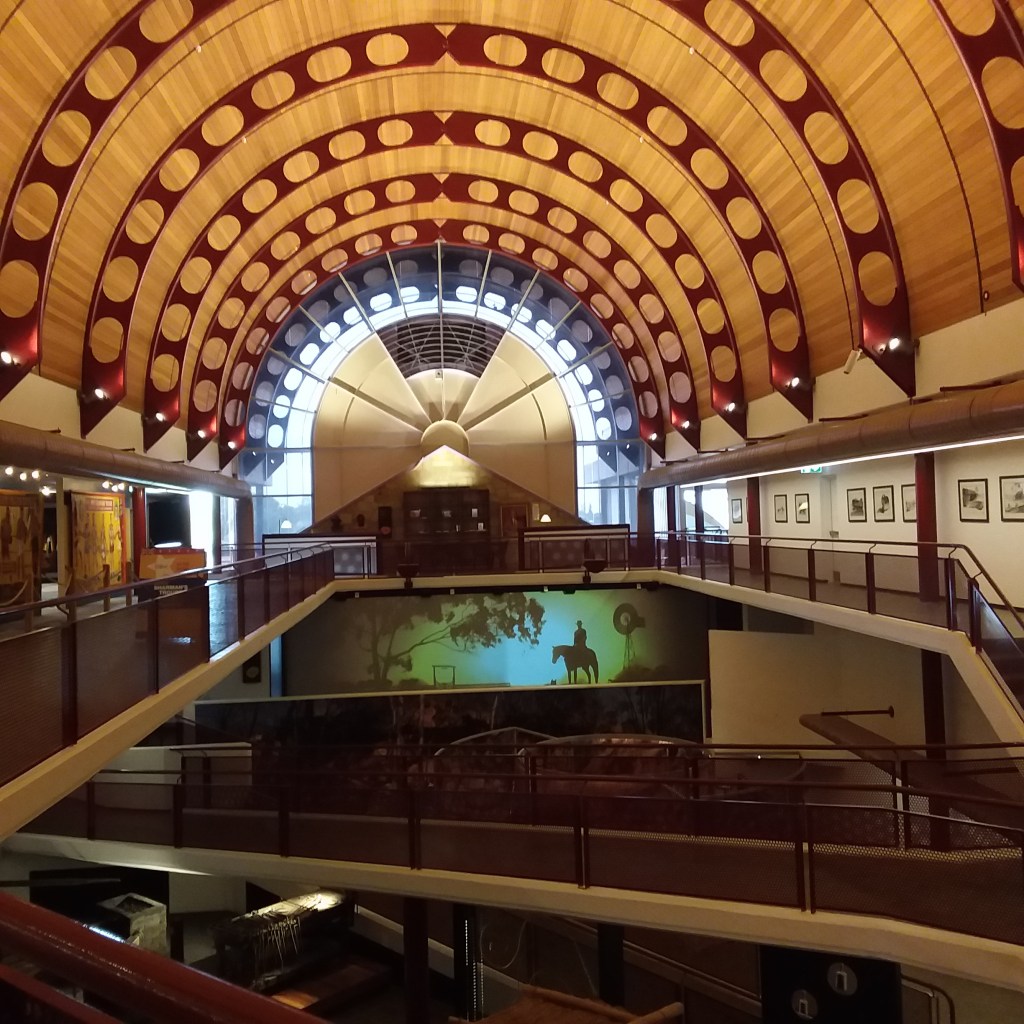
John was particularly looking forward to the Drovers’ Hall of Fame so we made our way there. Despite the fact that that the original exhibition burnt down, this one was excellent. We continue to be impressed by the effort these small towns put into teaching visitors about their history.
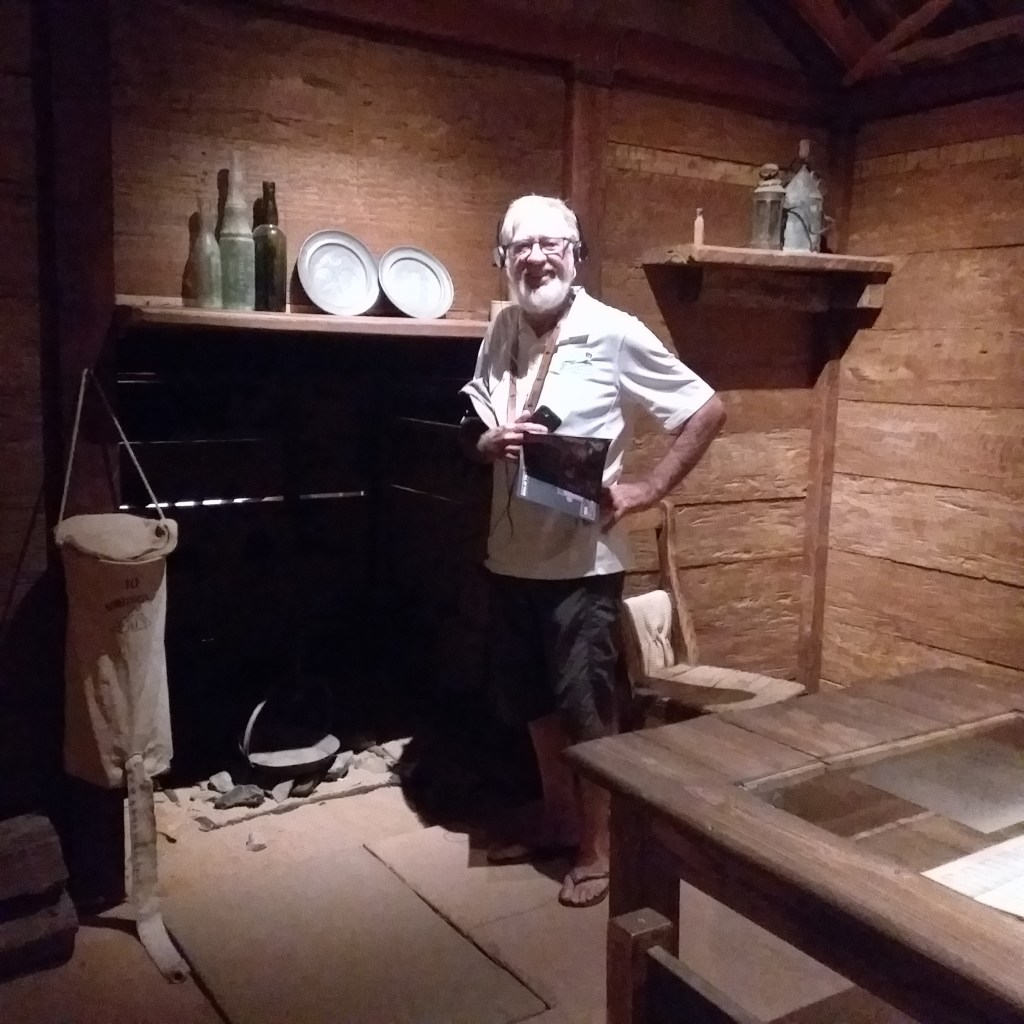
We enjoyed reading about the history of droving and looking at the exhibits; we also watched a film in one of their two cinemas that explained the beginning of droving cattle across Australia and how, over the years, things have changed. Although there are still jackaroos and jillaroos who muster cattle, many of the outback stations rely on helicopters to move their stock. Watching the film reminded me of my days as a jillaroo in the Snowy Mountains when I was young!


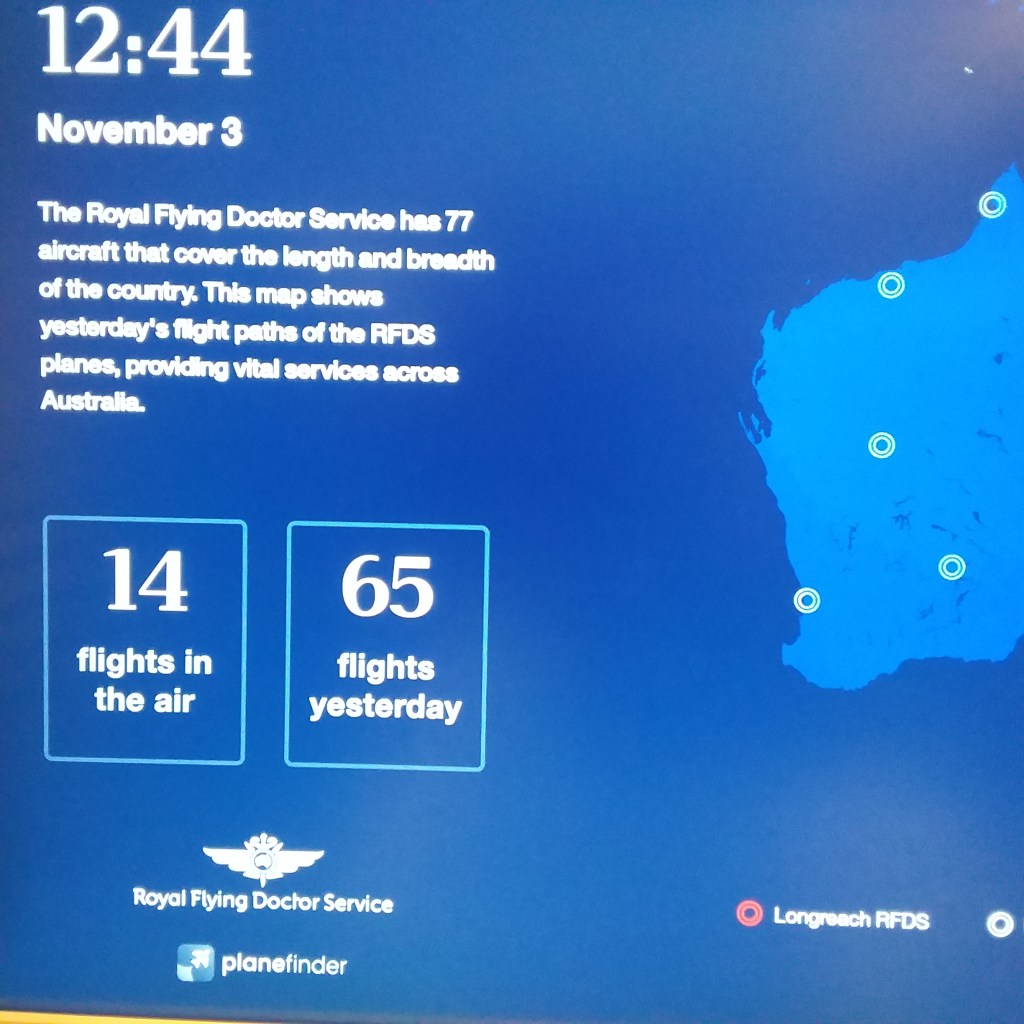
All museums we have visited in the outback have had a section dedicated to the Royal Flying Doctor Service because it is such a vital service, saving countless lives.

We spent a couple of hours in the museum loking at the rest of the exhibits, had lunch and spent some time in the gift shop. It was a morning well spent.


 Flannerys' Footprints