The drive from Cape Crawford to Mount Isa took us two days, with a pleasant night camping at Barkly Homestead. It was a relief that the road was bitumen because we weren’t confident in our hitch towing the van . But it held.
We booked into Sunset Caravan Park near town and set about organising a spare tyre and some minor repairs to car and van. We do have a few issues with the caravan that need to be seen to when we get to Brisbane. The poor van has been battered about on these dirt tracks. We also took the chance to give the car and van a really good clean to try and get rid of as much red dirt as possible. As we had had a good look at the town a few months ago, we were quite happy to chill out around the van. It was nice though to shop in Woolworths and have choice!

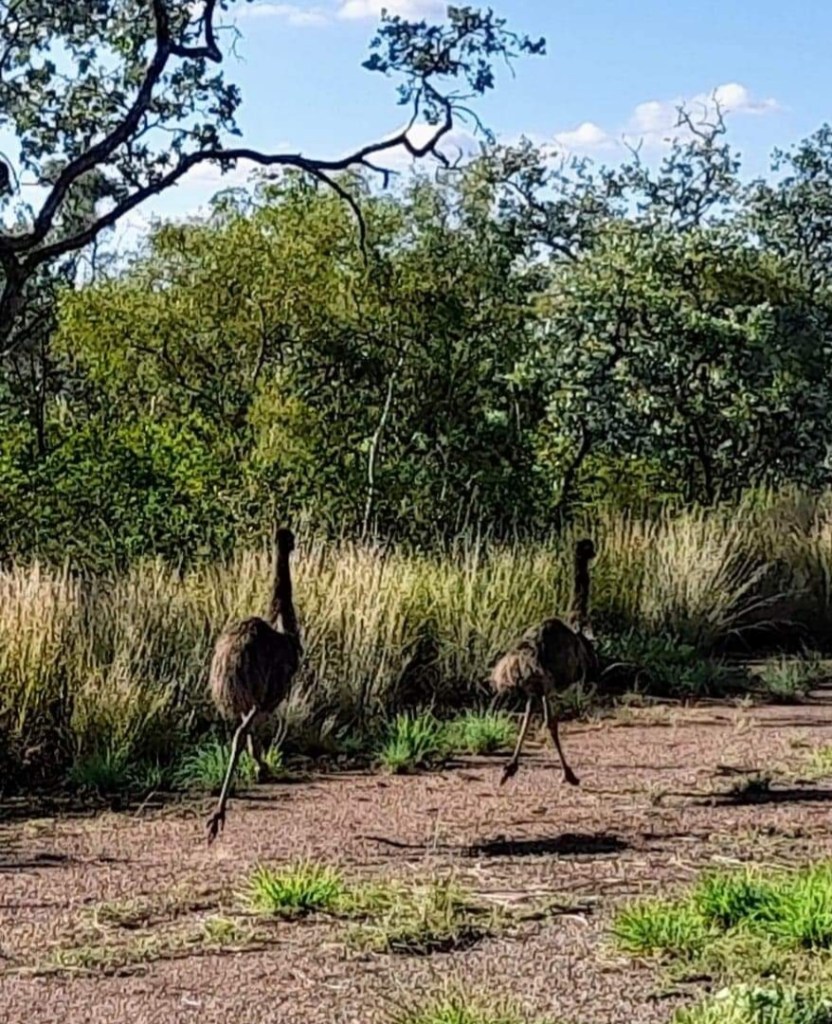
Then it was time to move on. The drive was lovely and there was no shortage of wildlife to see; we nearly ran over three different race horse goannas that wandered across in front of us, there were wallabies everywhere and we had two young emus racing us on the road!
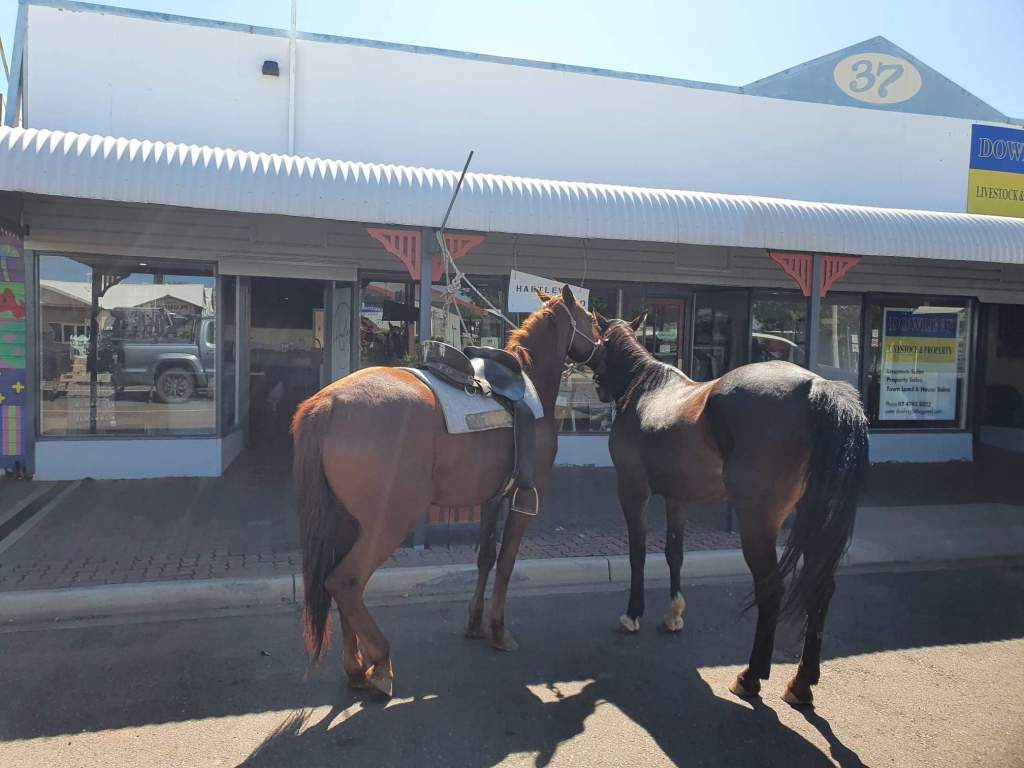
We stopped to stretch our legs in Cloncurry. What a great outback town with a real western vibe. There were horses tied up on the main street next to cars and caravans, then on our way out we had to stop while jillaroos on motorbikes and horseback mustered cows along the road.
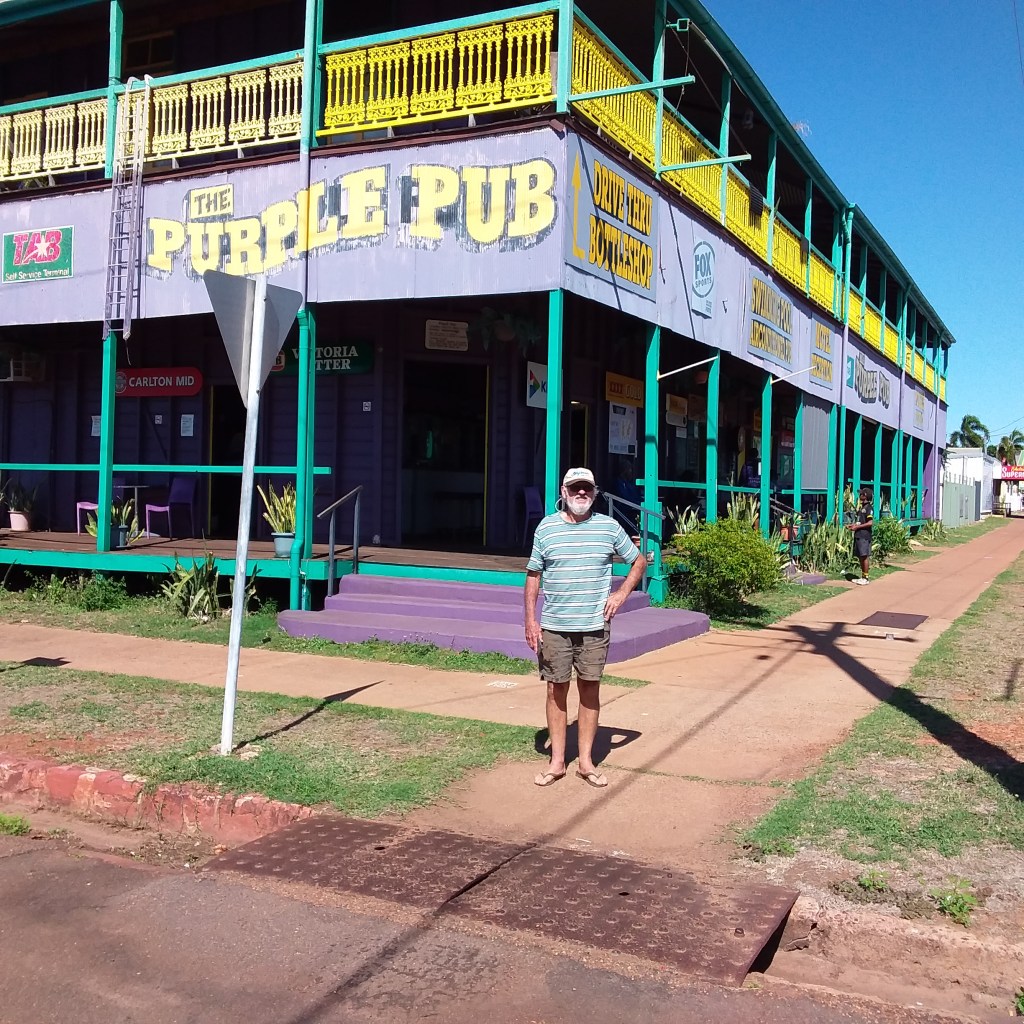
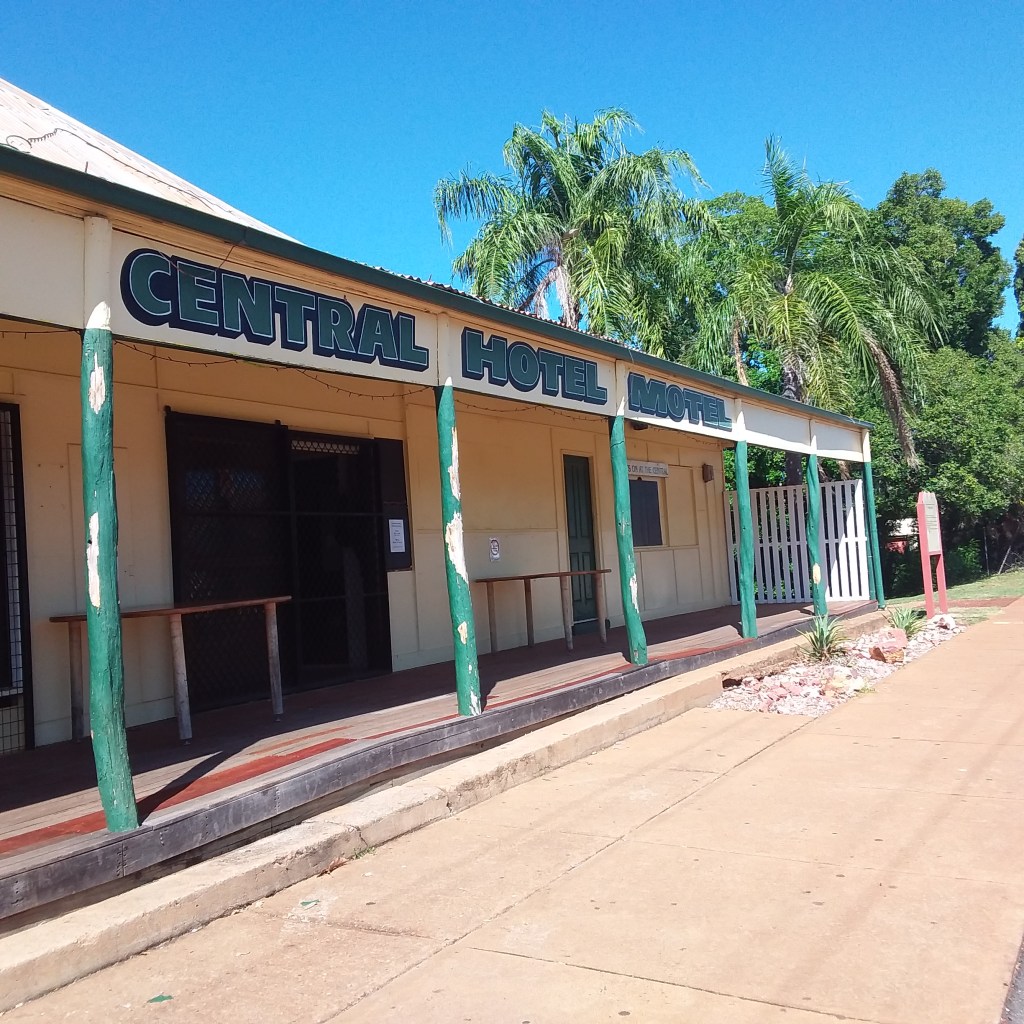
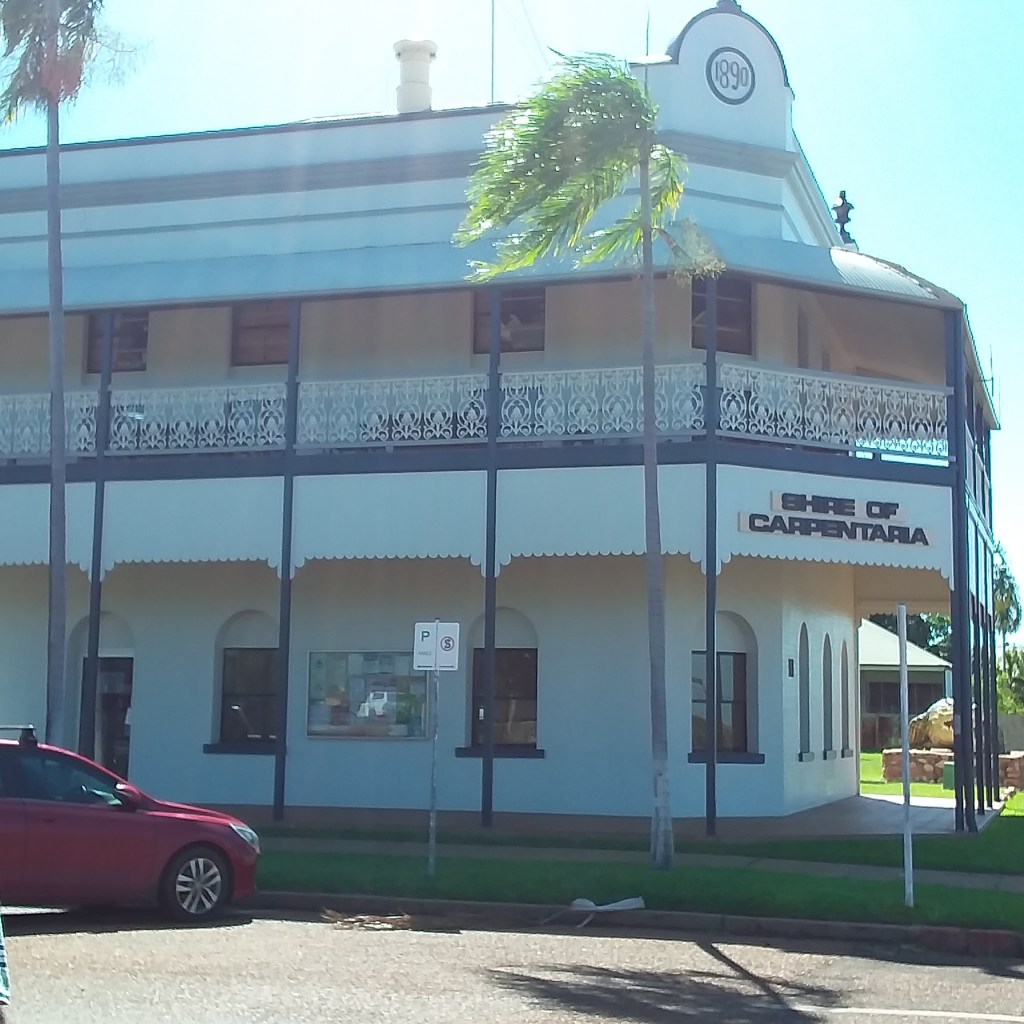
We spent a night at a free camp in Normanton. They had had some recent rains so we camped close to the road to avoid getting bogged. Even so, we slept well but woke to the noise of road trains passing . Normanton is another small outback town on the Savannah Way. The thing that stood out on the main street was the Purple Pub, and there were many other old buildings still in use.


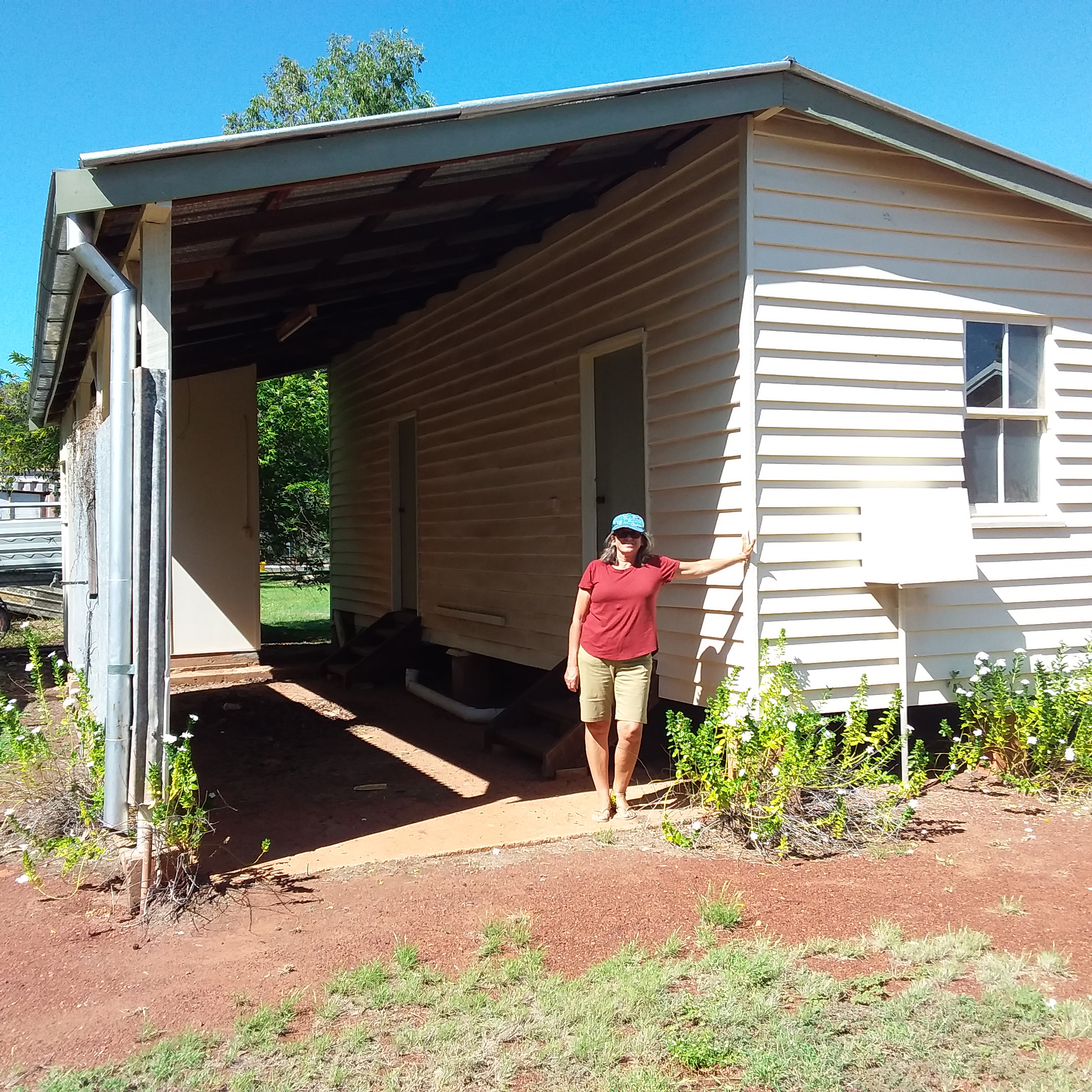
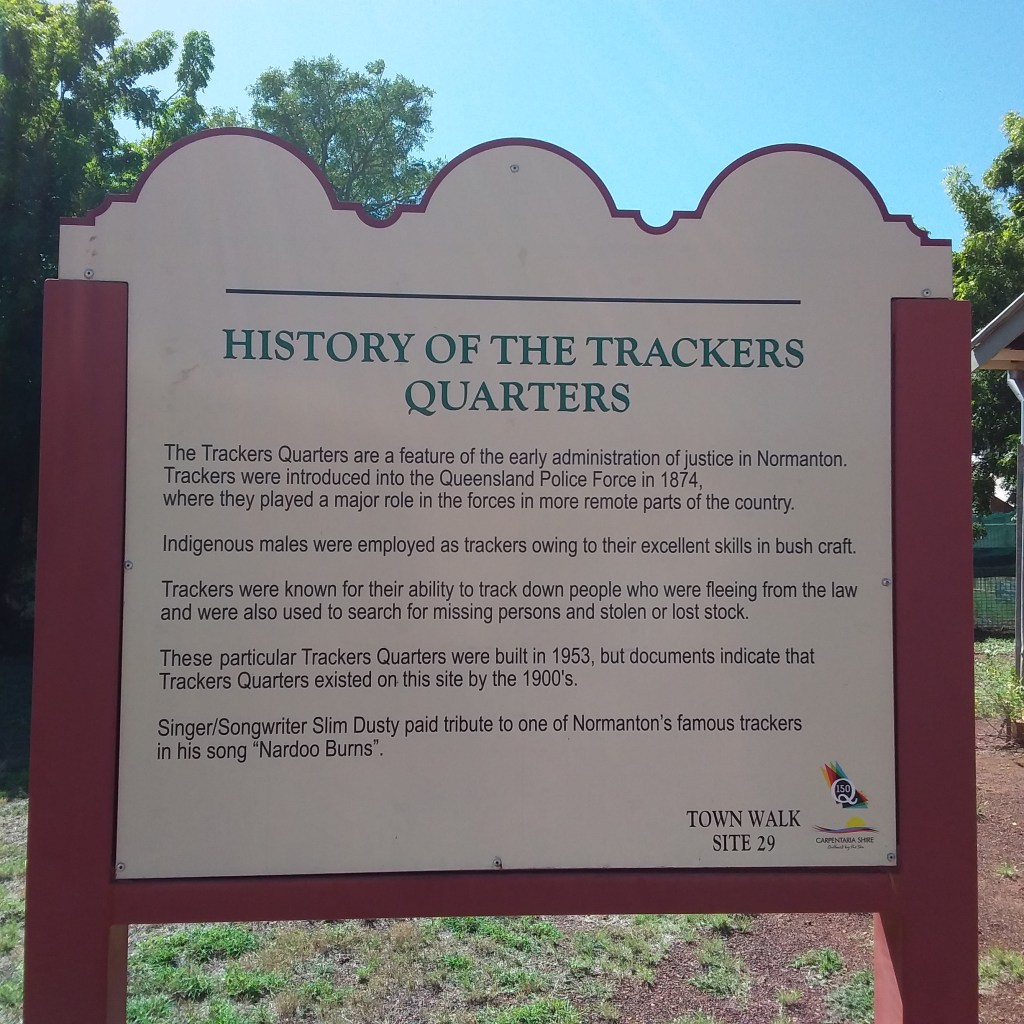
I wanted to have a look at the old jail and tracker’s accommodation still there just off the main street. Apparently in the 1890s Normanton was the main jail for the whole of the Gulf region. It was then used as a watch house until the 1990s when the current police station was built. Alongside the jail is the Aboriginal tracker’s quarters, although not the original one.

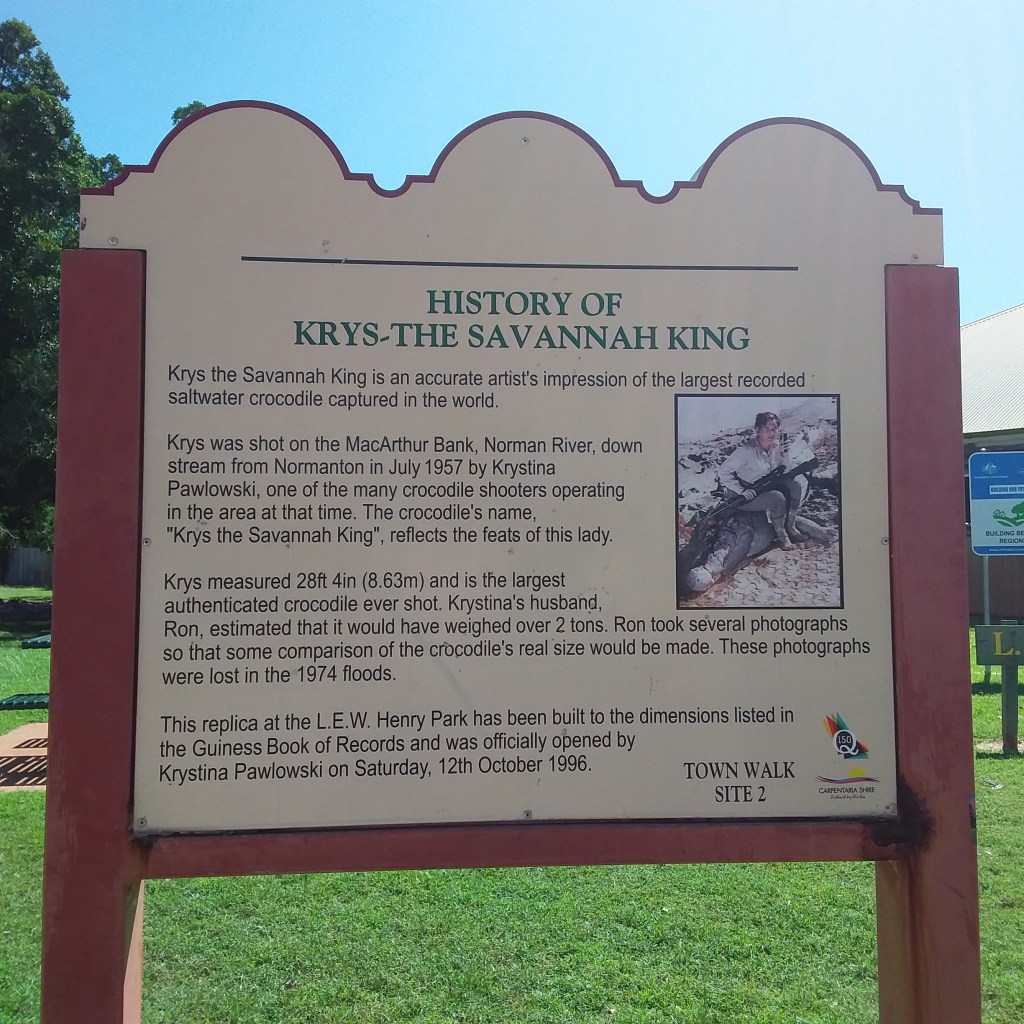
On the main street of Normanton is a replica of the largest crocodile ever captured in Australia.

We saw the Savannahlander train in the siding in town but it wasn’t going anywhere when we were there. I’d hoped to do a short trip either on this train or the Gulflander to see and hear more of the outback but our days did not coincide with their trips unfortunately.
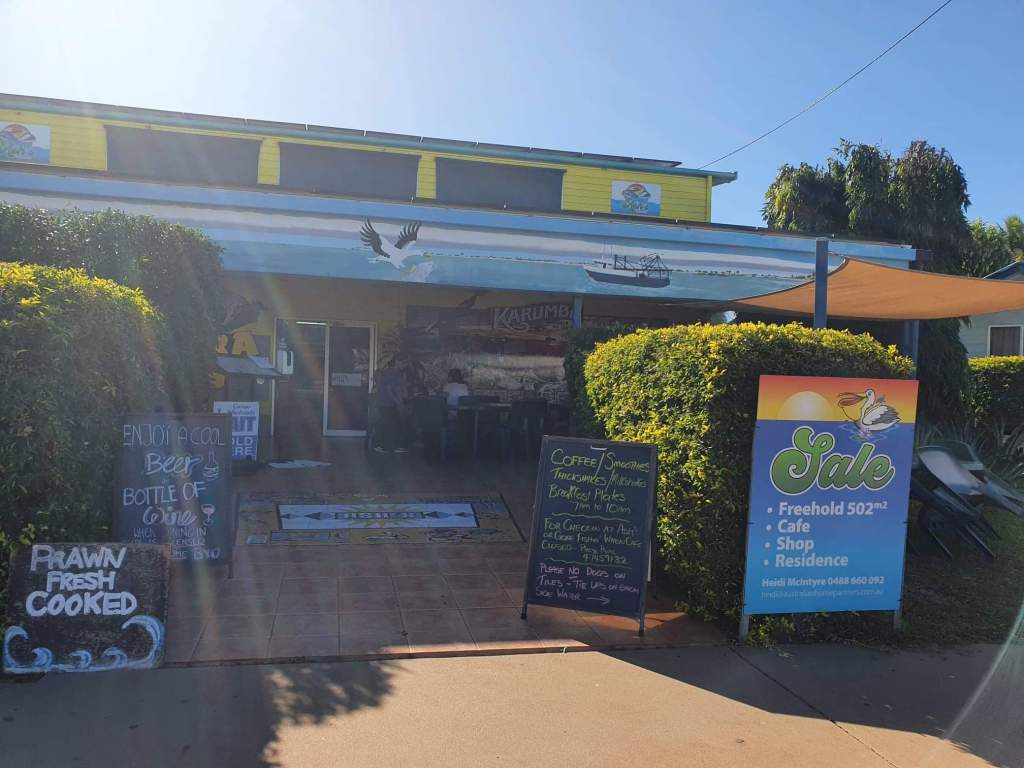
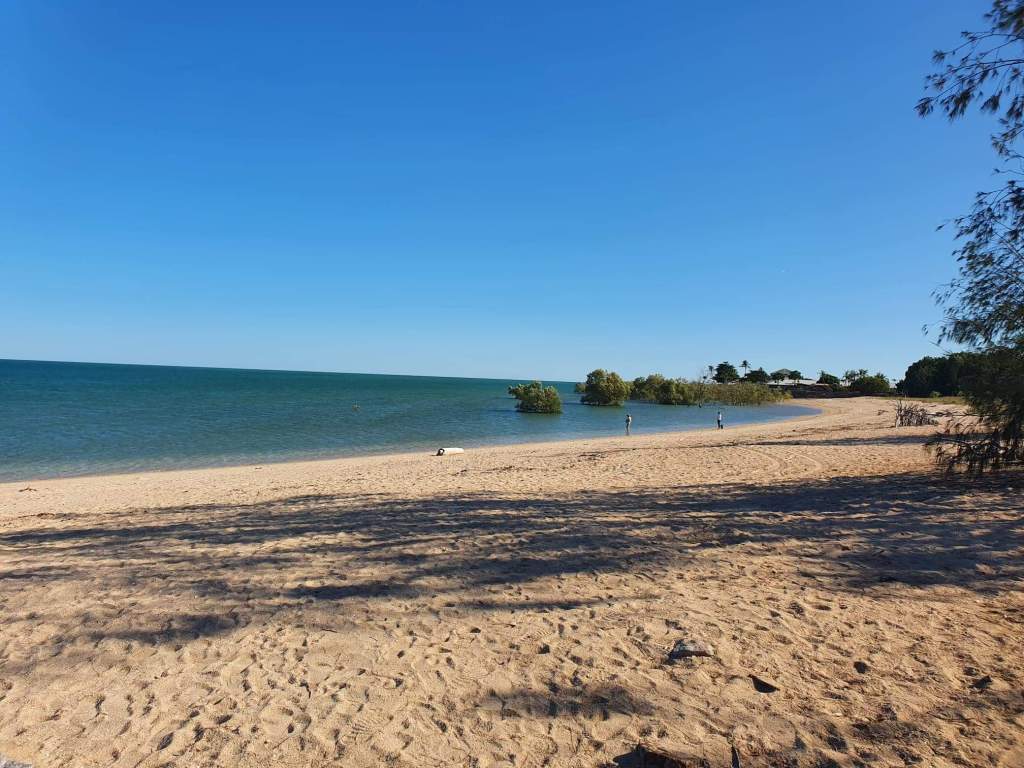
However, before we left we took a drive north to Karumba Point which is a lovely little fishing port and coastal town. We bought a coffee and wandered around.
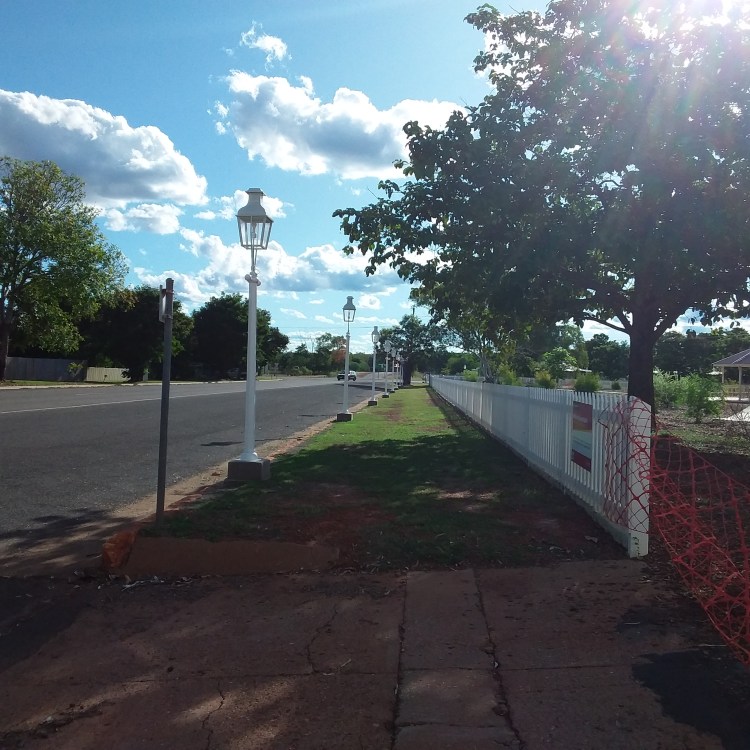
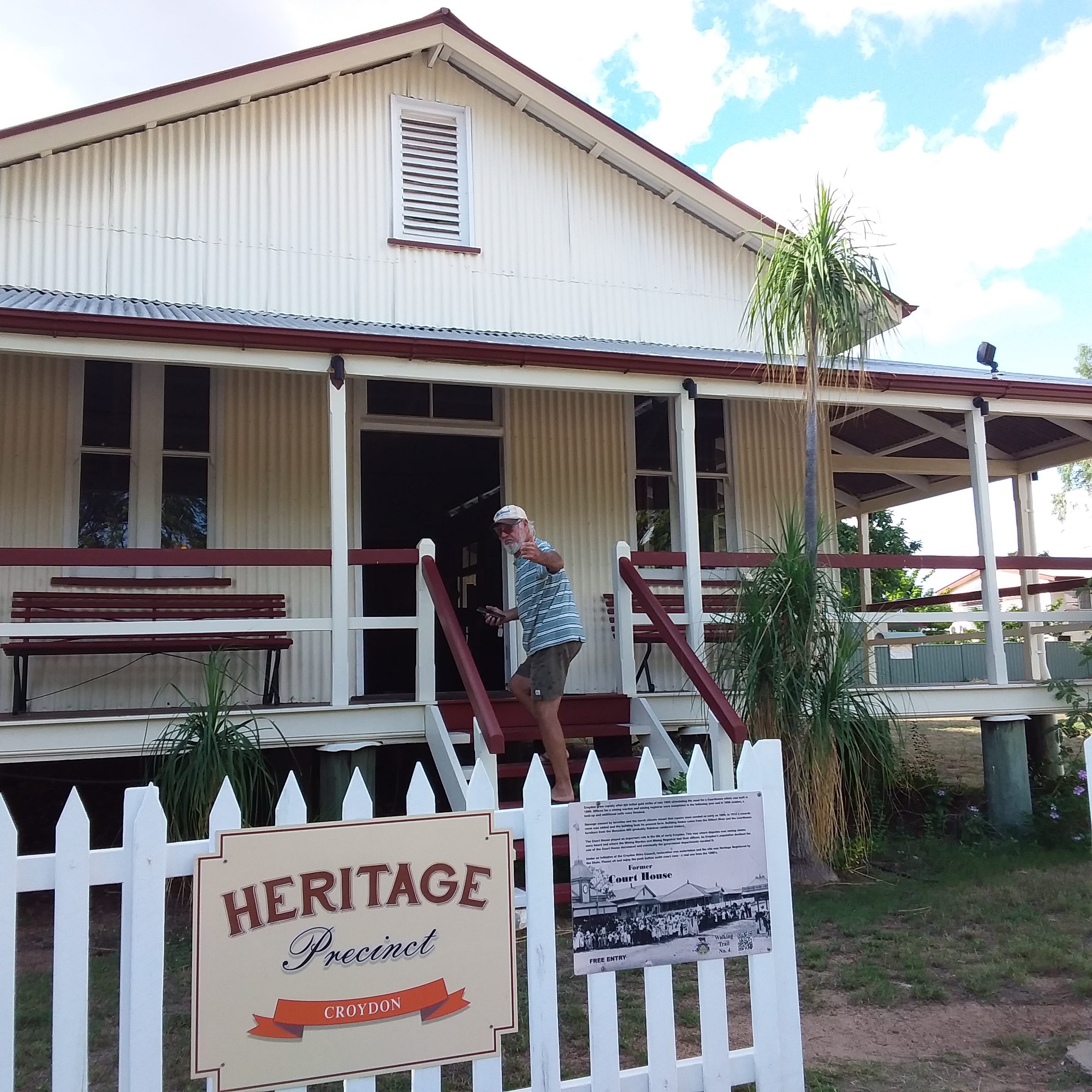
All the little outback towns we have visited so far in Queensland have made a huge effort to attract visitors, mostly by displaying their history. Croydon was no exception. We drove into this charming little town having never heard of it. It seemed quiet, organised and clean, with lovely homes and neat gardens, some with picket fences. There were also lovely white lamp posts all along the streets which were replicas of two original ones that we couldn’t pick out.
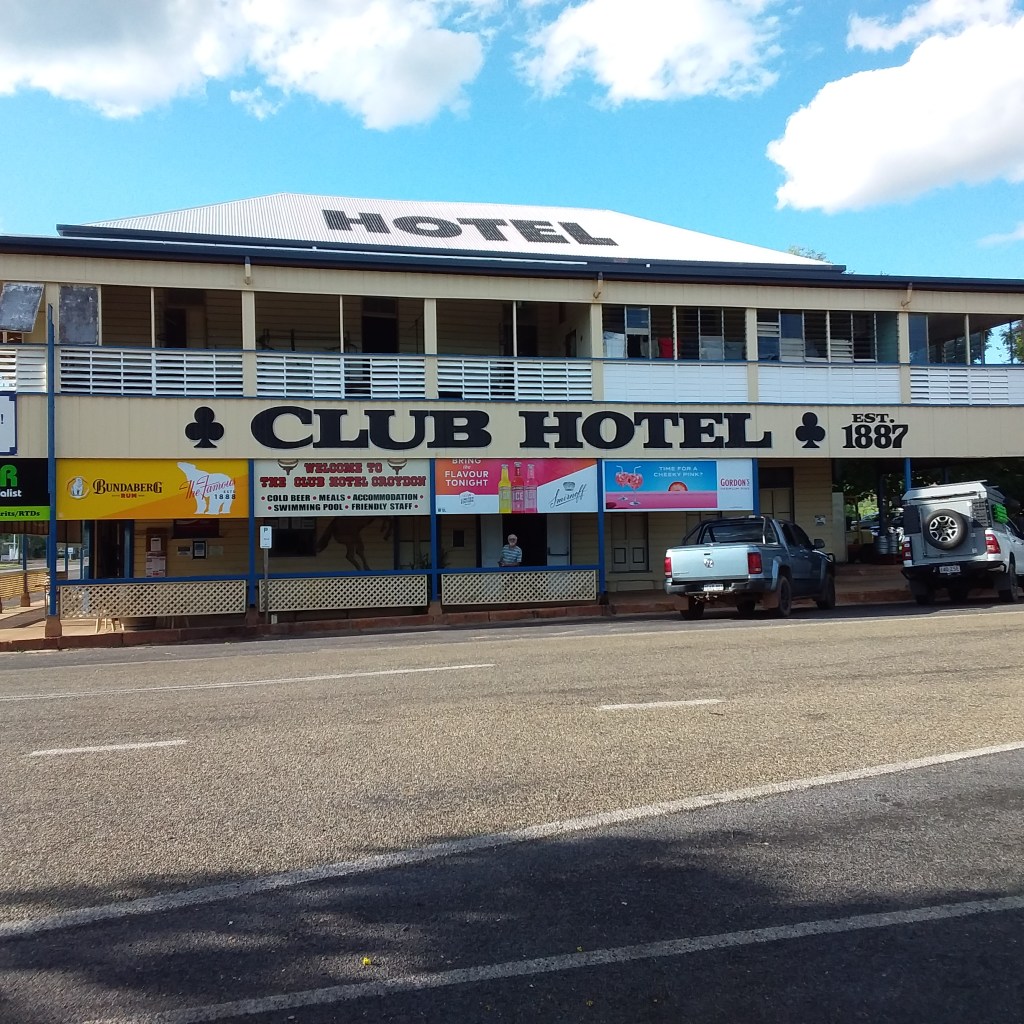
We popped into the Visitors’ Centre – not actually expecting such a small place to have one – and were given a wealth of information about the town and what it had to offer. And what it had to offer was free: from free golf and free use of the pool to free exhibits on the town’s history. Remarkably John did not take advantage of a free game of golf but we did pay a $5 donation to camp at Freedom Camp at the rodeo park. This was lovely: quiet, close to town, flat with clean toilets and excellent showers. When we can, we prefer to save money and free camp or make a donation then make sure we spend money in the town. We did so by having a drink at the old pub and having an excellent cooked breakfast the next morning at the Cafe. We sat outside and enjoyed bacon and eggs to the sounds of Troy Casser-Daly and other country singers from the cafe’s speakers.

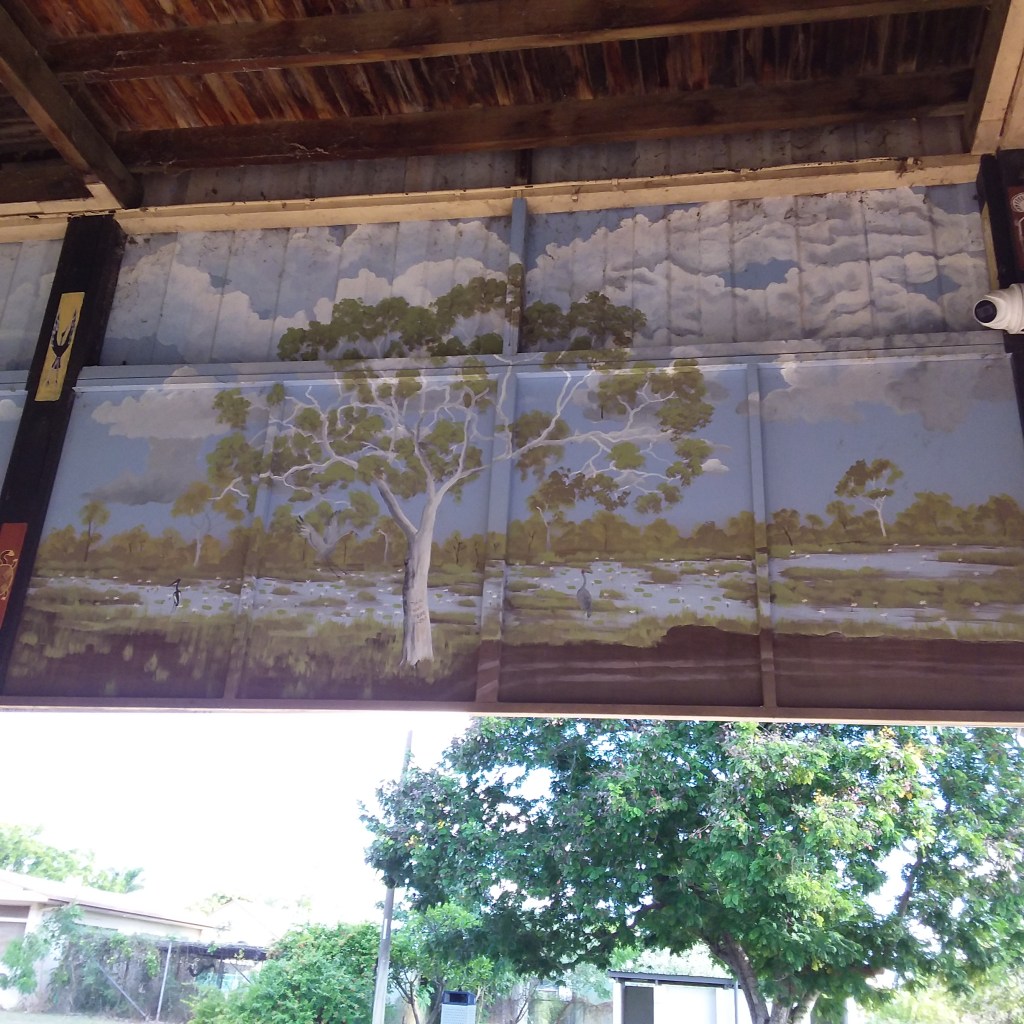
The two things I found most interesting in the history of Croydon was it’s role in the gold rush and the large Chinese population that largely came with that. The Chinese were not allowed to pan for gold so they worked as cooks and cleaners for the gold mining families. The Chinese built a temple just out of town which is now an archaeological site.
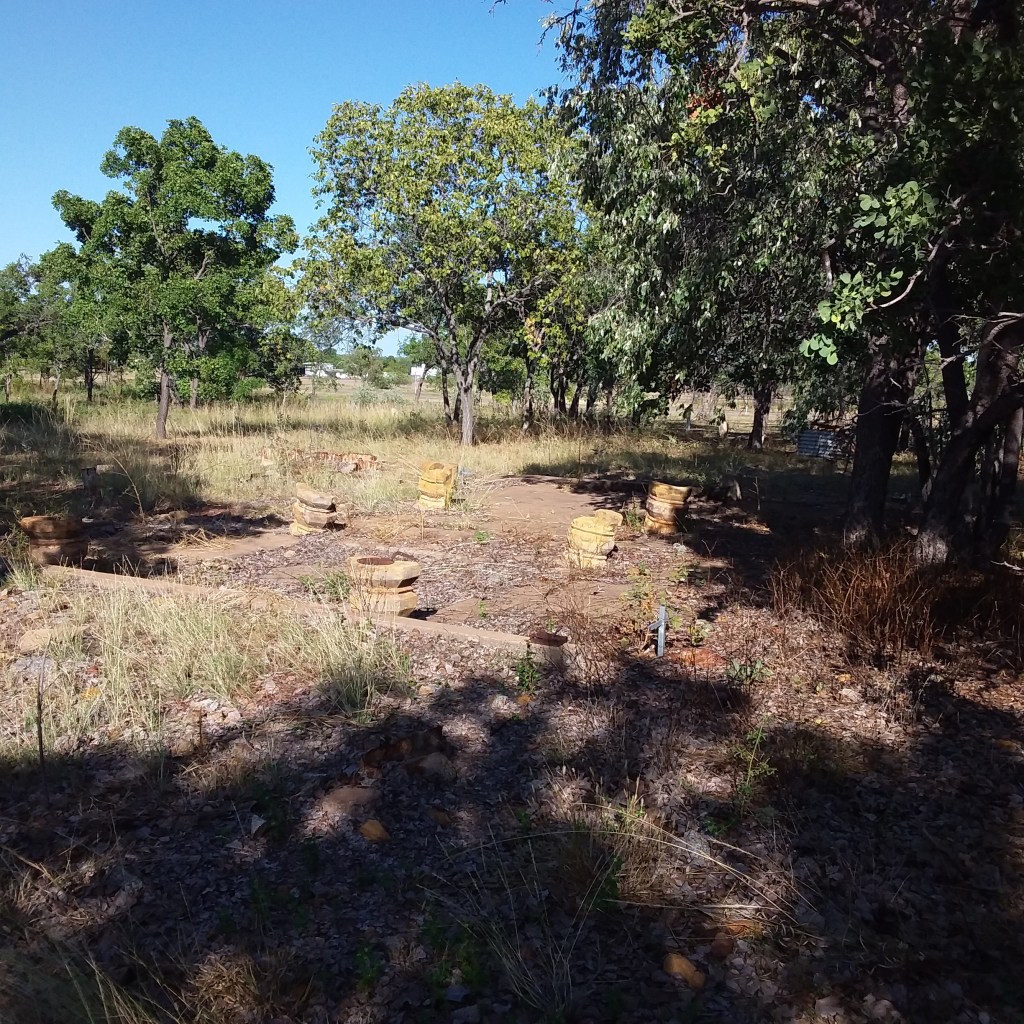
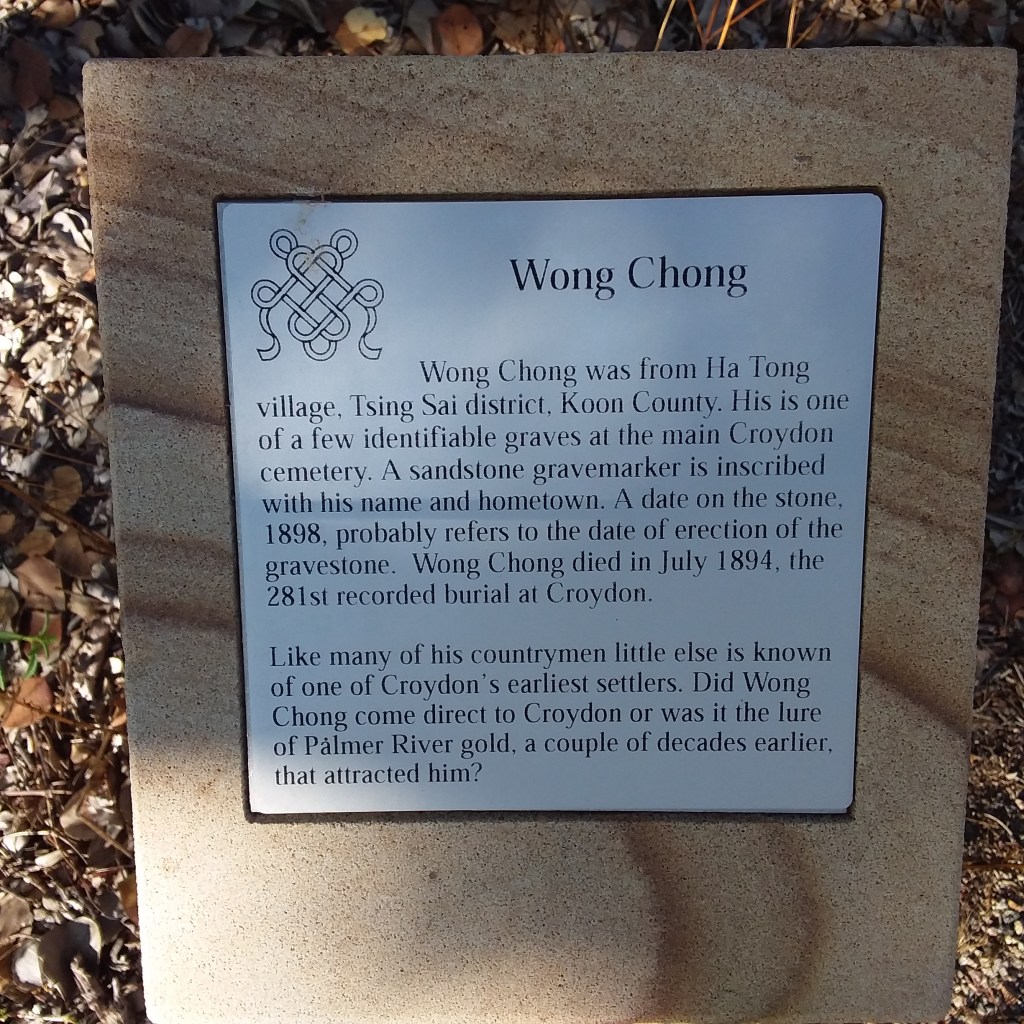
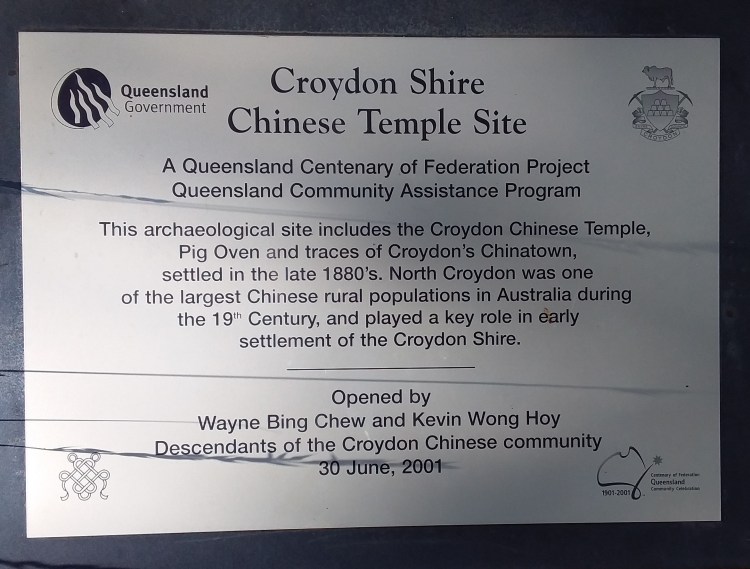
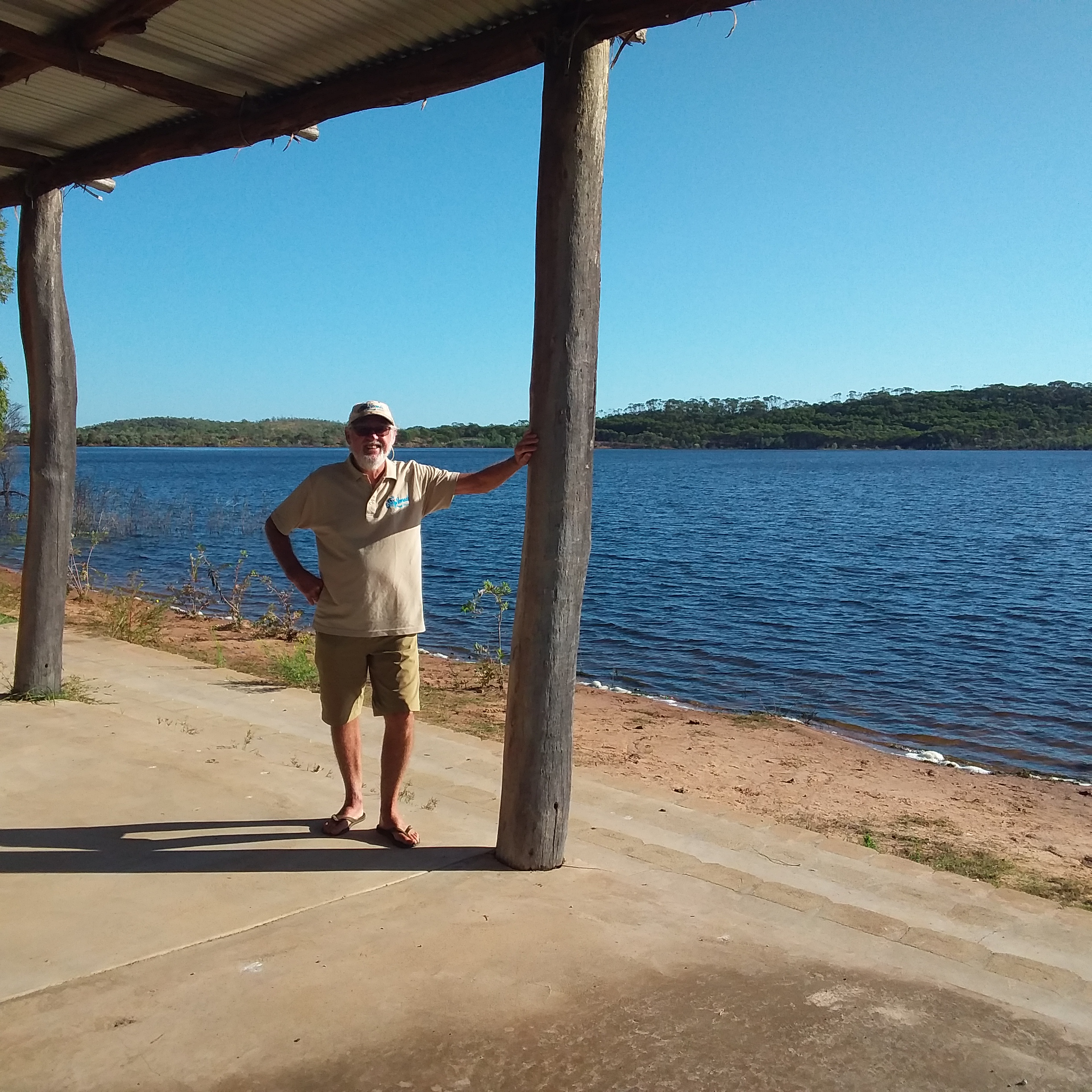
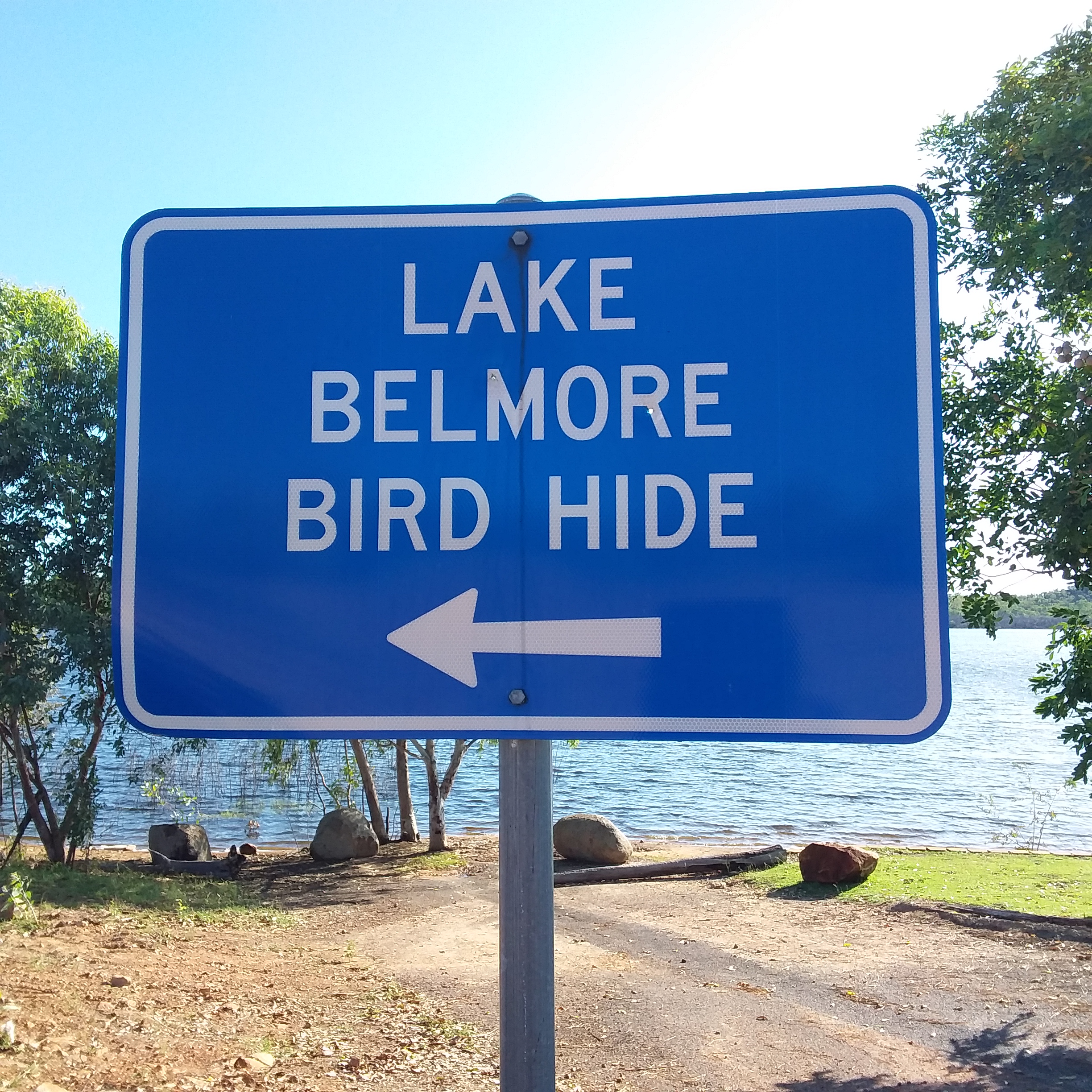
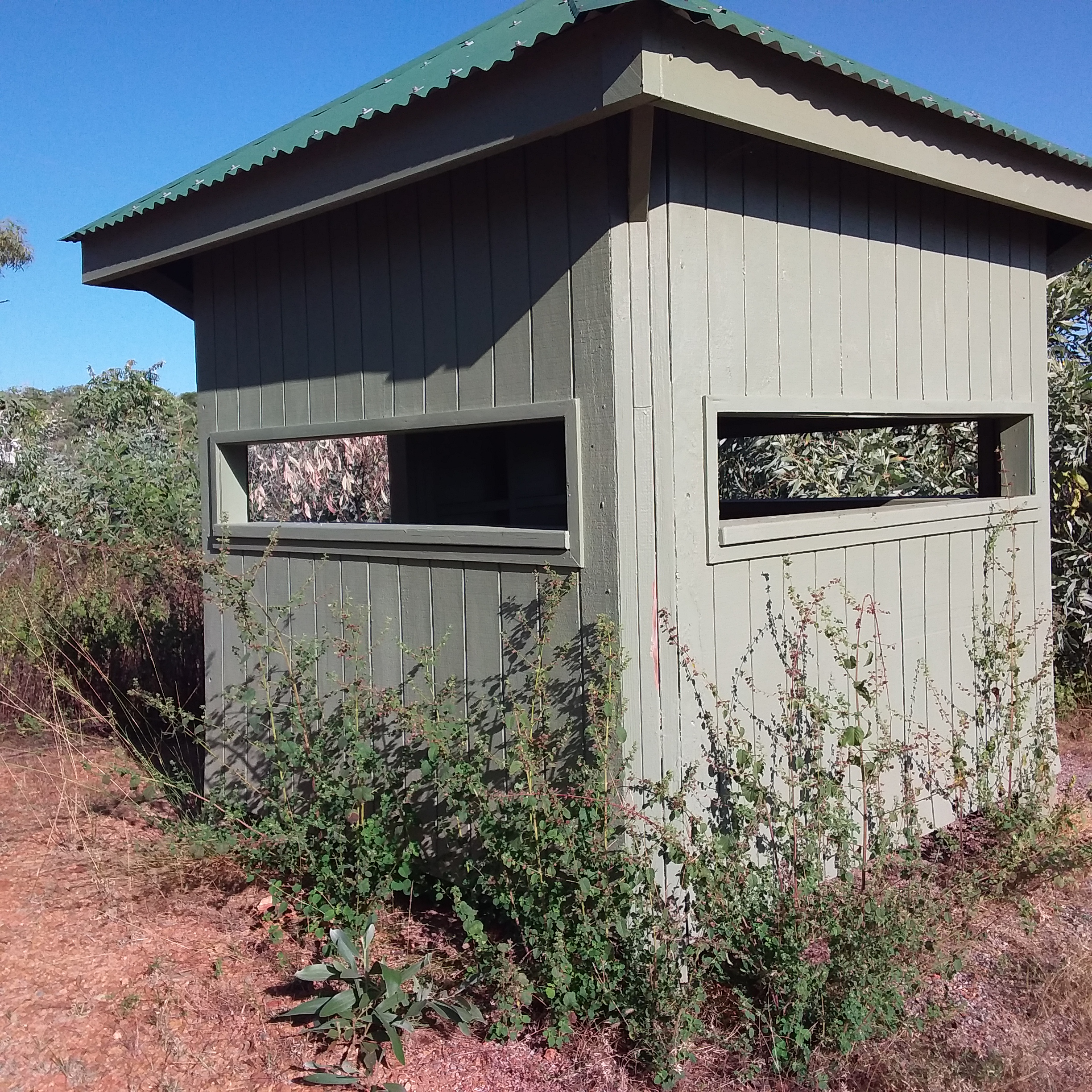
We had a good look round town at the old buildings and mining relics, reading all the information supplied. Then we drove out of town to look at the site of the Chinese Temple and also Lake Belmore. This area was as welcoming as the town with a picnic area, a bird hiding box as well as peace and quiet.
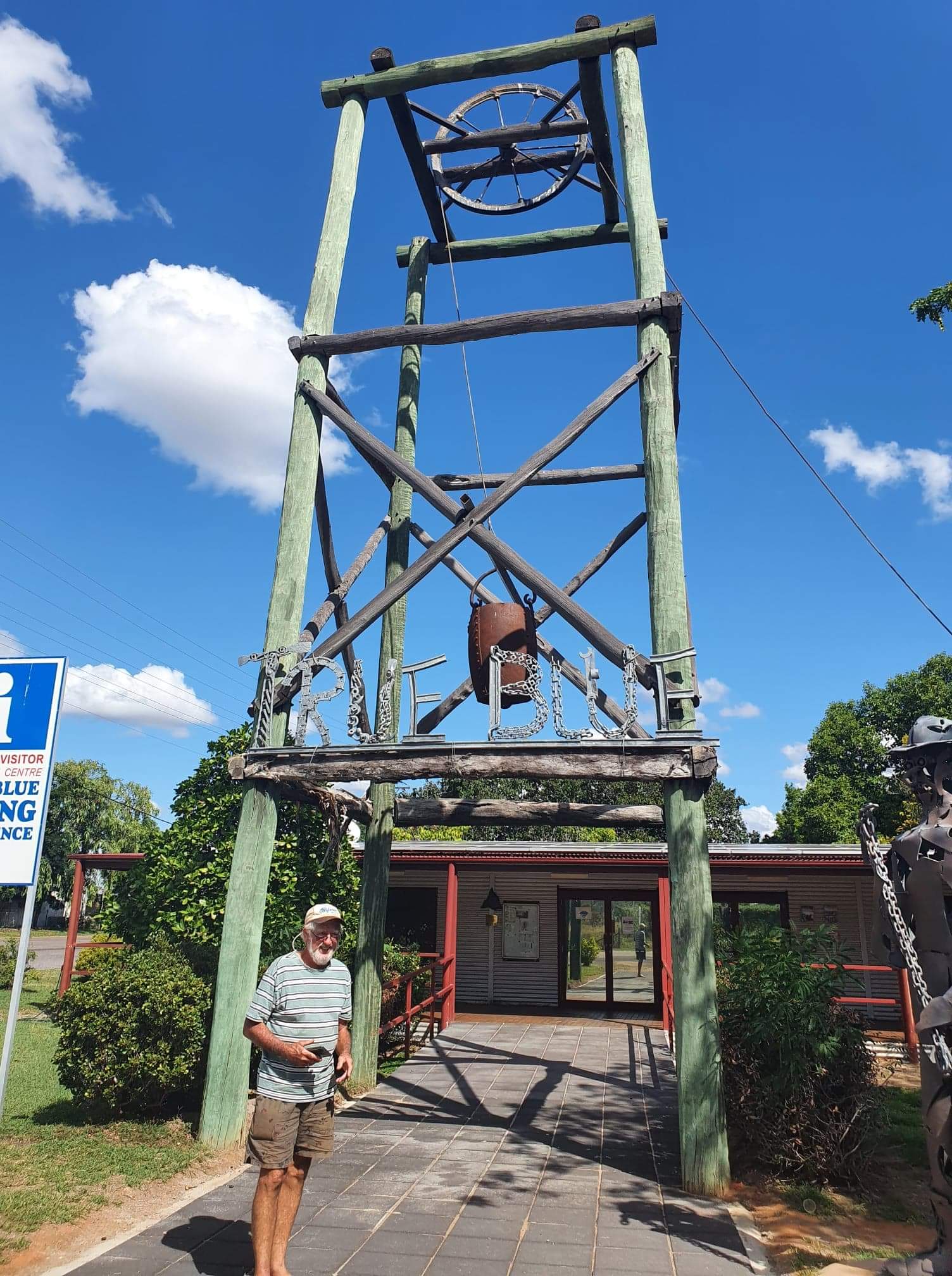

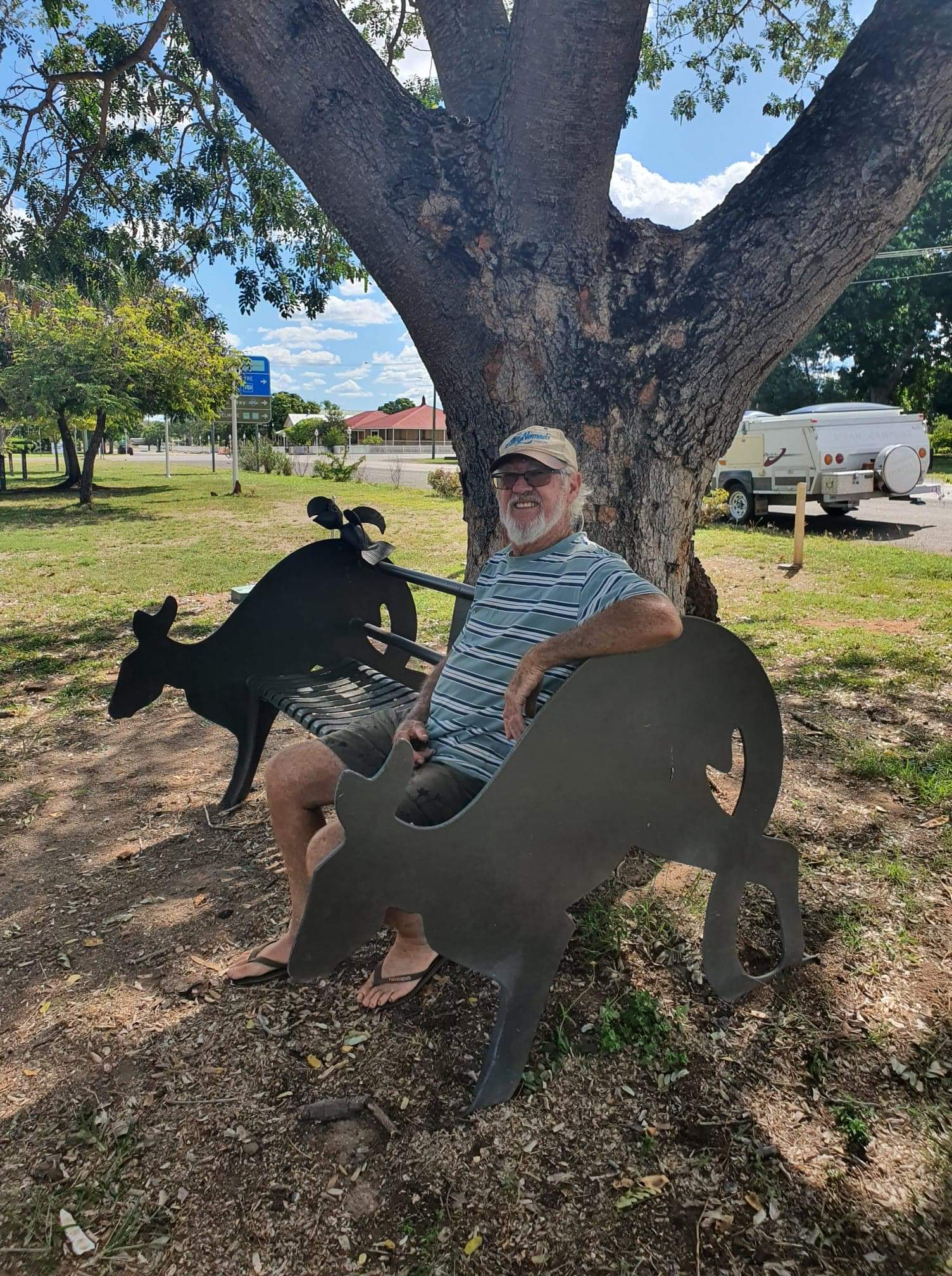
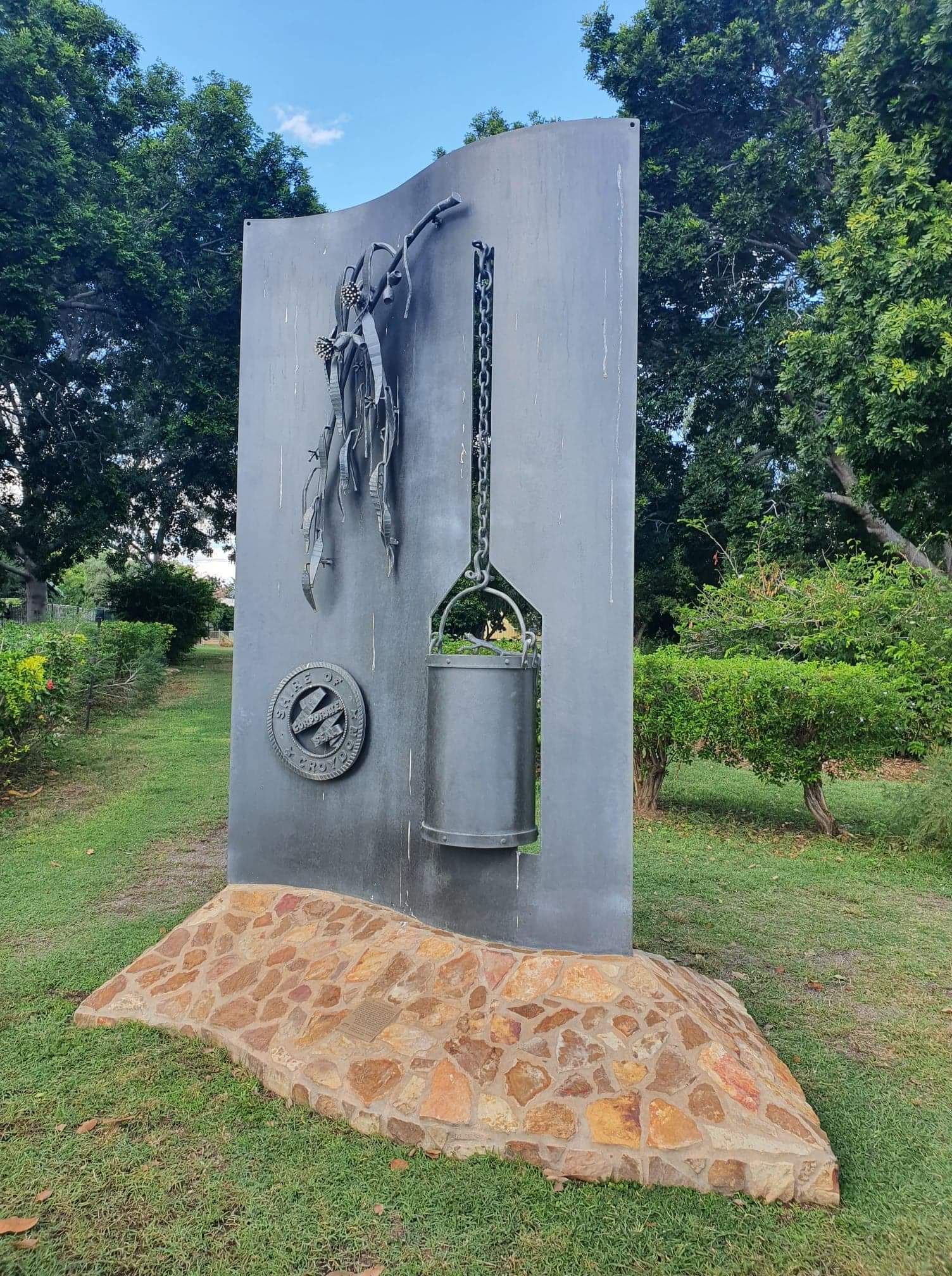

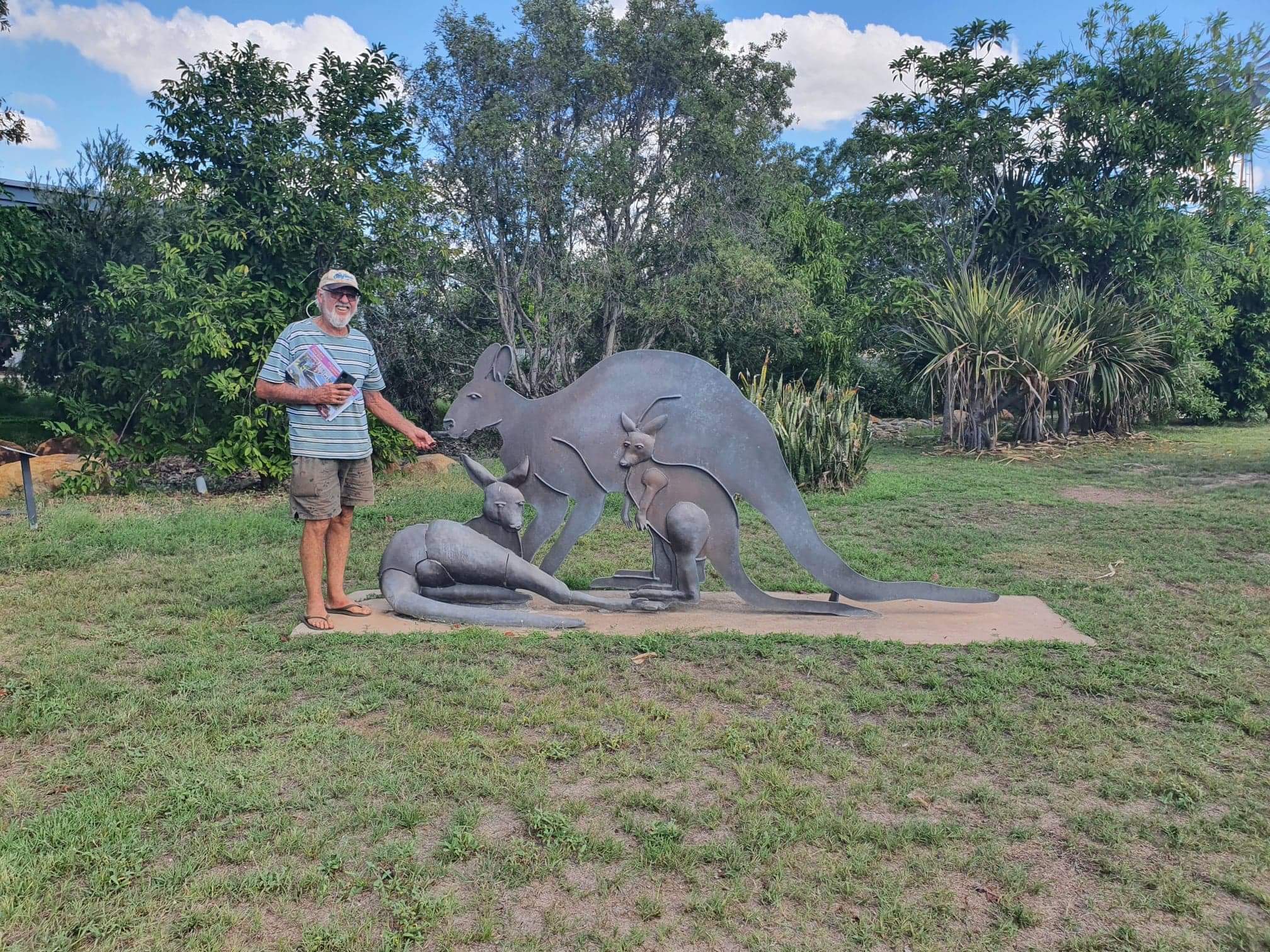
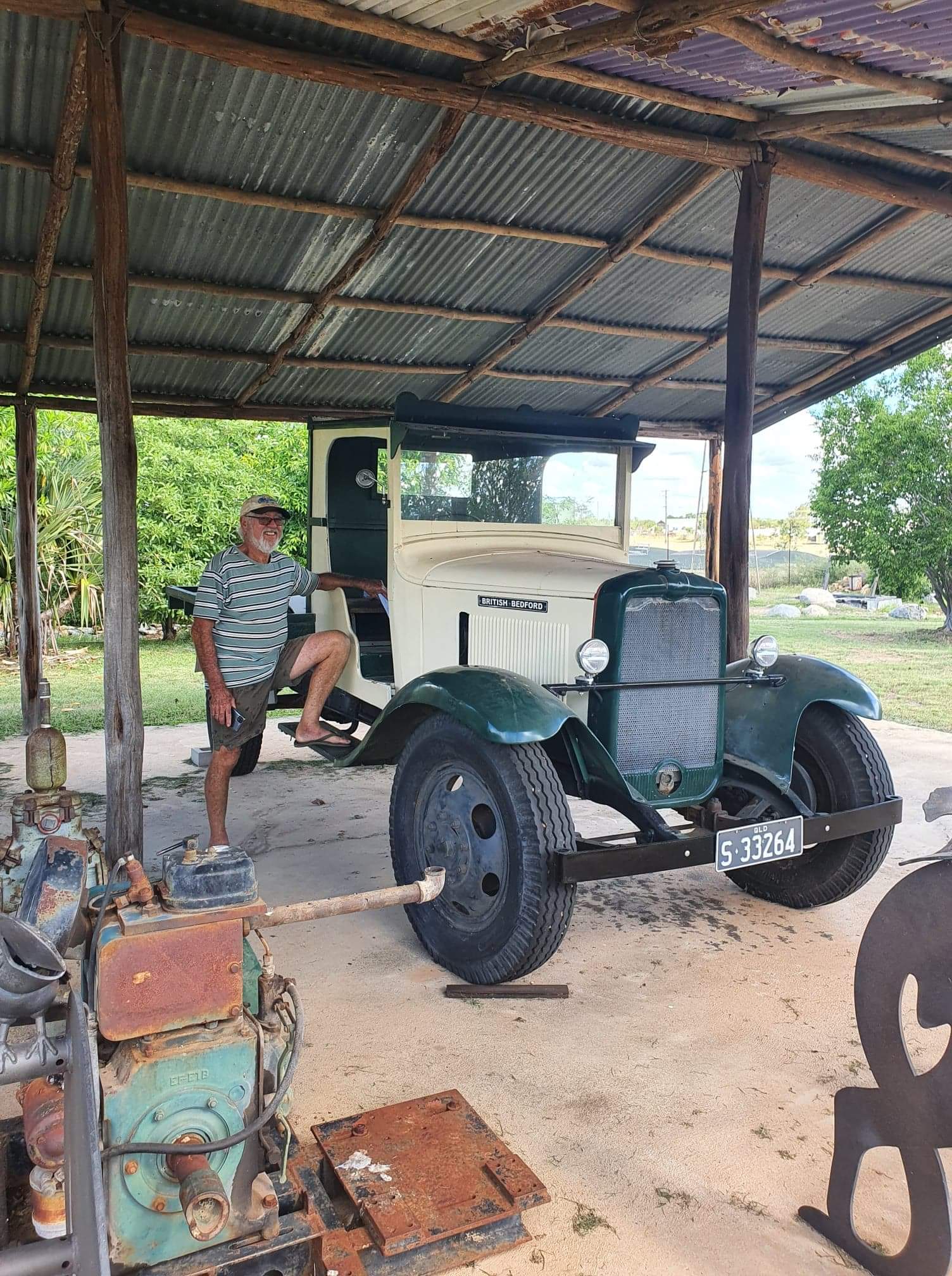
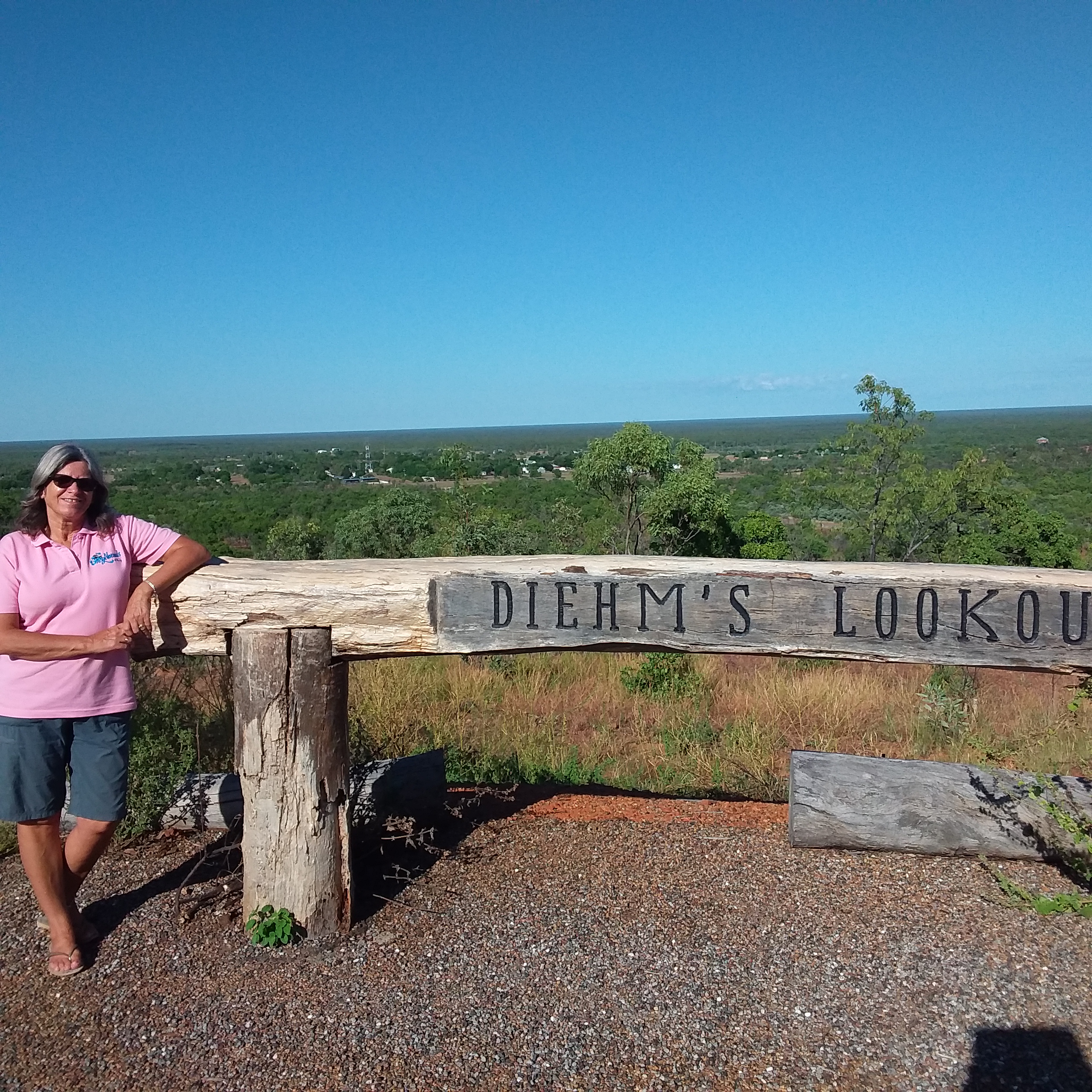
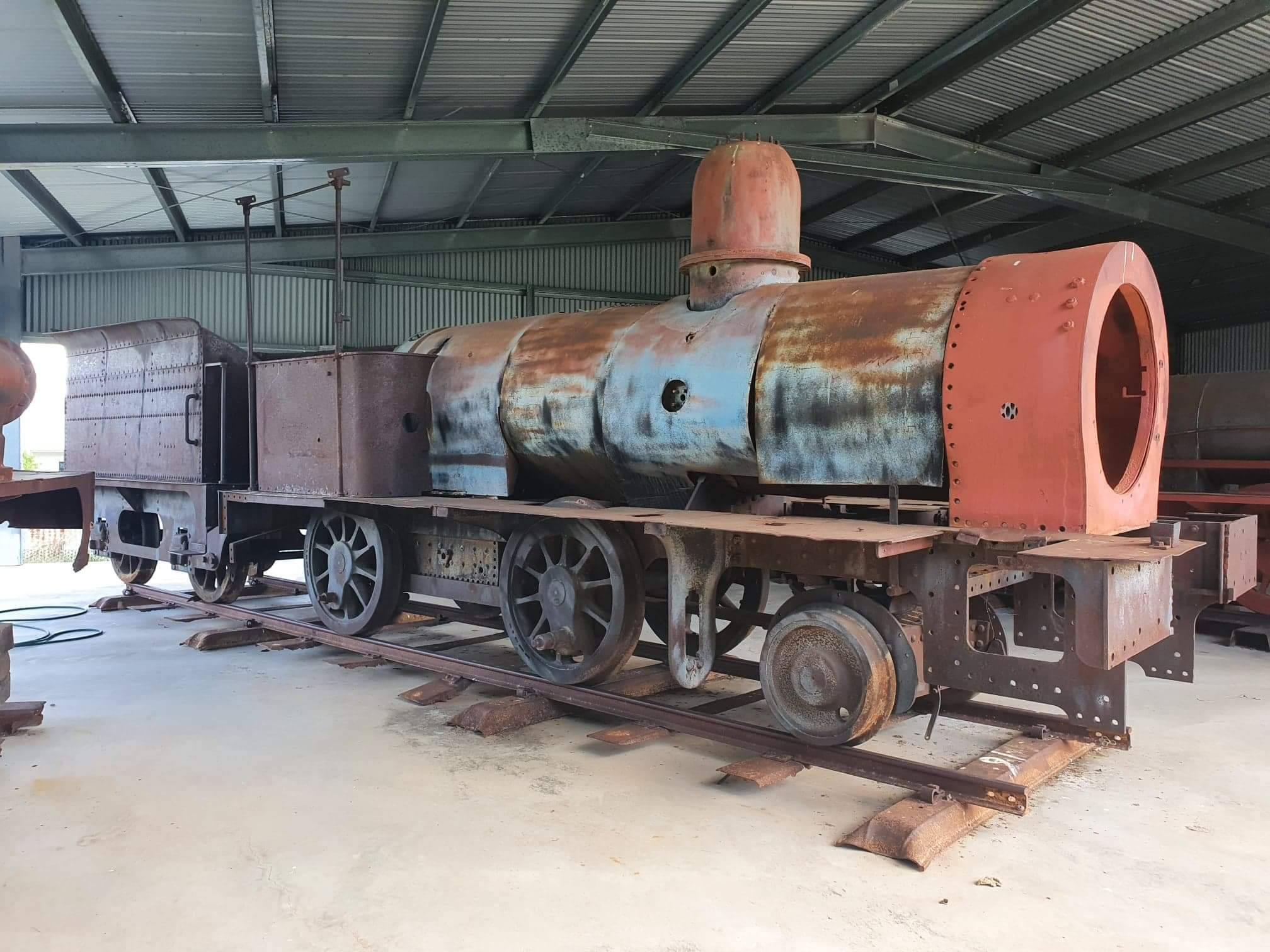
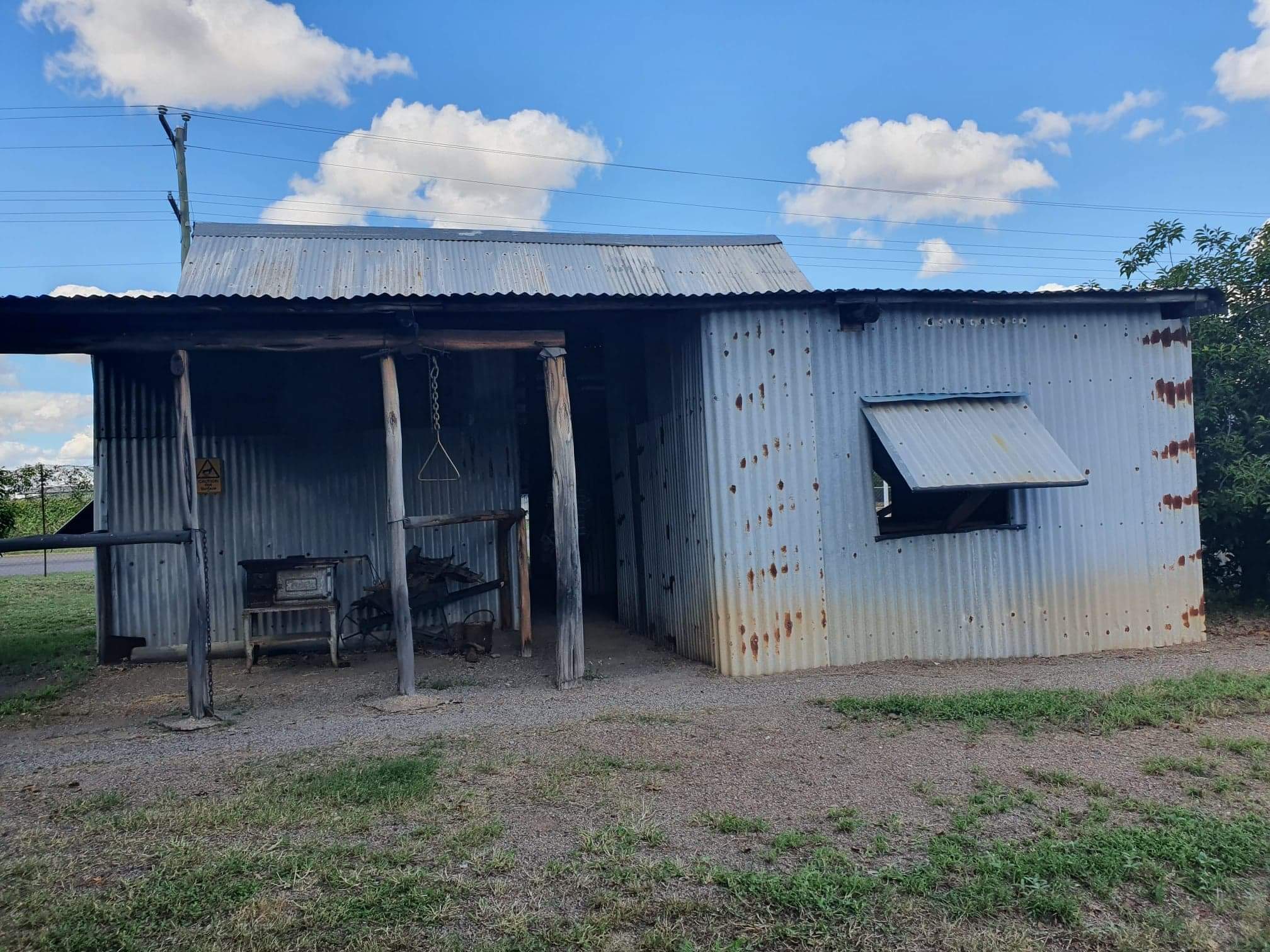

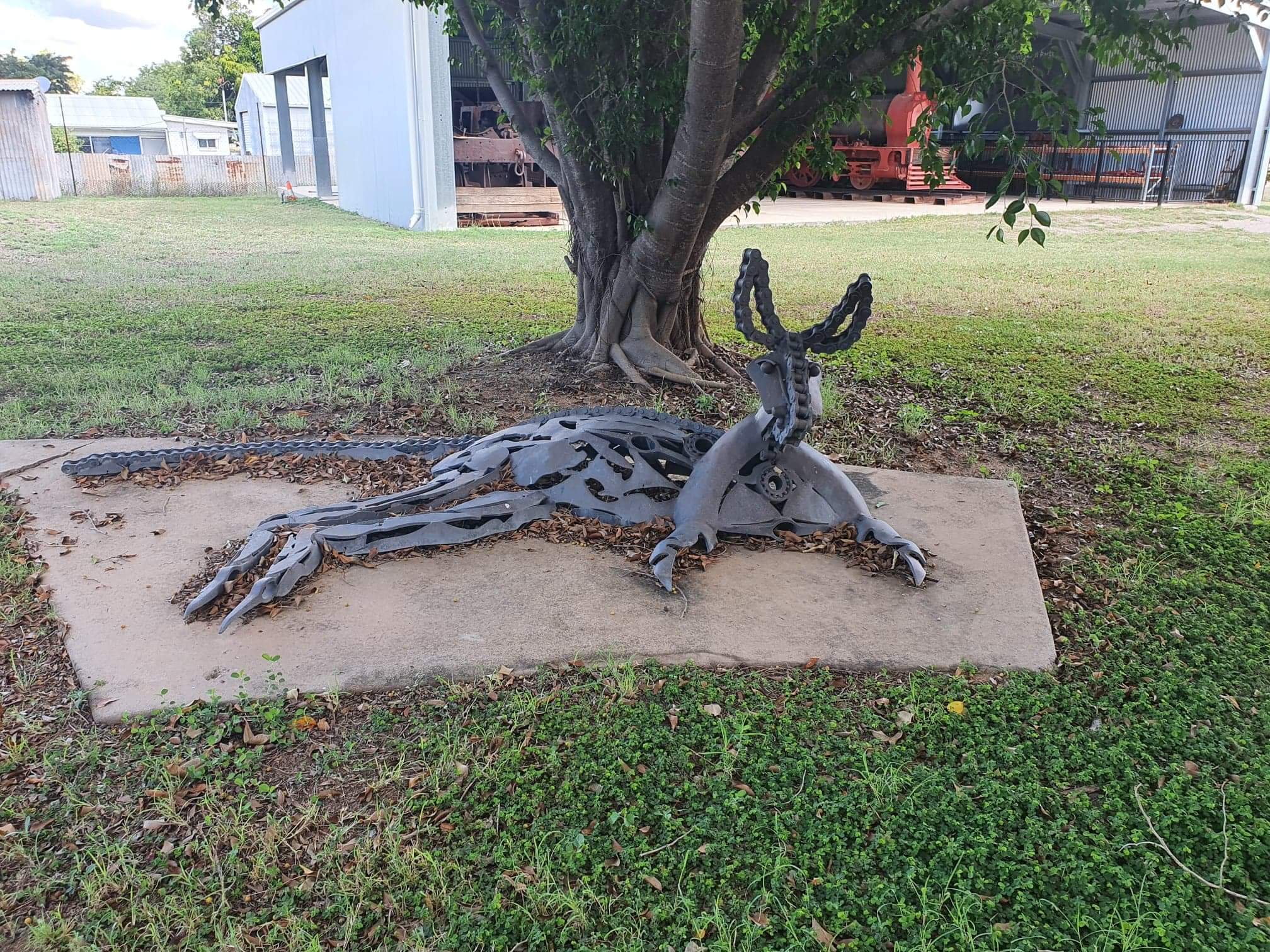
Croydon is well worth a visit to enjoy all the work the Shire and the locals have put into making it a very interesting town.
 Flannerys' Footprints